Water Project Rendering for a Hospital in Mozambique | WaterAid
Descrição
Water is Life Appeal | WaterAid
Half of health care facilities worldwide lack basic hygiene services with water and soap. This Winter, we are working to change this, for one hospital in Mozambique.
Visit: https://us.wateraid.org/WaterisLife
This video is a basic rendering of the clean water project. Hospital Water Project Rendering: Mozambique
Step 1. Install Solar Panels
Rays from the sun power solar panels. We often use solar panels in our project as it is a reliable and sustainable source of energy in rural communities.
Step 2. Set up the Water Pump
Energy from the solar powers a water pump.
Step 3. Drill a Well
A well will then be drilled and the pump will bring the ground water to the surface. It costs $107 to drill one meter down into the ground for the well. Some wells are as much as 60 meters deep. This water is then available year-round.
Step 4. Install a Water Tower
The ground water will then be pumped to a large, chlorinated water storage tower. Storing the water in a tower like this means that water is still available on cloudy or stormy days. The price for a small water tower starts at $2,500.
Step 5. Install pipes
A network of pipes connects the large water tower to smaller water points for nearby houses. This makes clean water that much closer to home and therefore easier and quicker to access. It costs $75 to install 14 metres of 50mm pipe, sterilize it and test it for leaks.
Step 6. Handwashing Stations
Handwashing stations will be built at regular intervals around the hospital, to ensure medical workers can wash their hands between patients. Ease of access to handwashing will help both the staff maintain hygiene but will also help the patients directly too. They will be able to wash themselves and stay hydrated, two important steps in recovery. Handwashing stations cost $200.
Step 7. Toilet Blocks
We'll build two outdoor toilet blocks, including an accessible toilet for those with disabilities. The toilet blocks will be near the hospital but a safe distance away to ensure that safe sewage management. The cost of the most basic toilet blocks starts at $700.
Step 8. Medical Waste Incinerators We'll also build enclosed incinerators for safe disposal of medical waste. This will be an upgrade on the existing open pit. Building a fence around a medical incinerator means that medical waste can be disposed of safely, without risk of contaminating the land or for the hospital staff disposing of medical waste. It is also just safer for the community as it reduces the chances of accident or community infection.
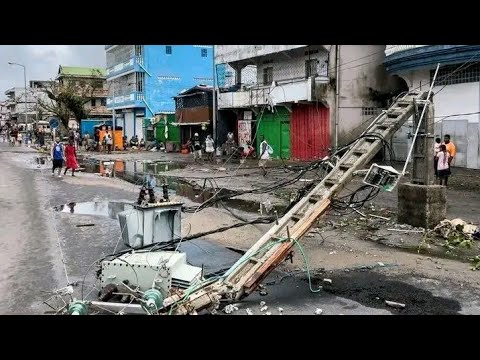
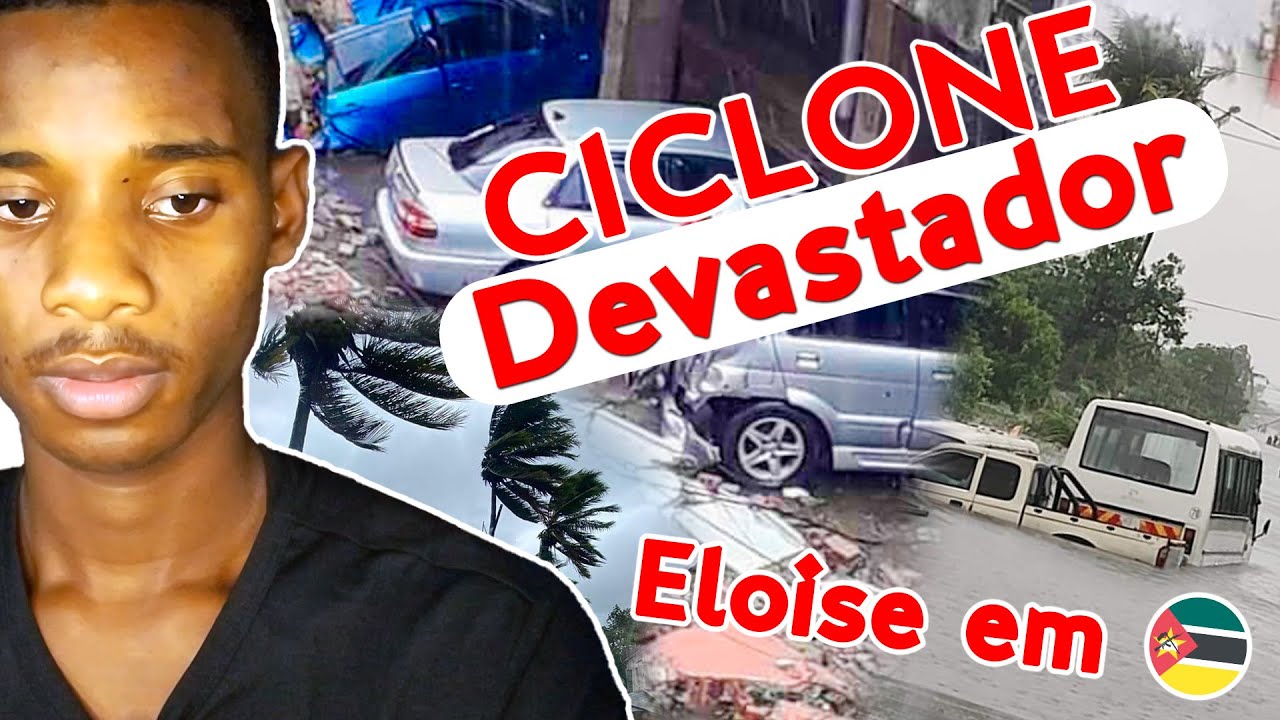
N.B. All of our projects are designed with climate adaptation and resilience components, so they can withstand extreme weather events such as cyclones or flooding.
Half of health care facilities worldwide lack basic hygiene services with water and soap. This Winter, we are working to change this, for one hospital in Mozambique.
Visit: https://us.wateraid.org/WaterisLife
This video is a basic rendering of the clean water project. Hospital Water Project Rendering: Mozambique
Step 1. Install Solar Panels
Rays from the sun power solar panels. We often use solar panels in our project as it is a reliable and sustainable source of energy in rural communities.
Step 2. Set up the Water Pump
Energy from the solar powers a water pump.
Step 3. Drill a Well
A well will then be drilled and the pump will bring the ground water to the surface. It costs $107 to drill one meter down into the ground for the well. Some wells are as much as 60 meters deep. This water is then available year-round.
Step 4. Install a Water Tower
The ground water will then be pumped to a large, chlorinated water storage tower. Storing the water in a tower like this means that water is still available on cloudy or stormy days. The price for a small water tower starts at $2,500.
Step 5. Install pipes
A network of pipes connects the large water tower to smaller water points for nearby houses. This makes clean water that much closer to home and therefore easier and quicker to access. It costs $75 to install 14 metres of 50mm pipe, sterilize it and test it for leaks.
Step 6. Handwashing Stations
Handwashing stations will be built at regular intervals around the hospital, to ensure medical workers can wash their hands between patients. Ease of access to handwashing will help both the staff maintain hygiene but will also help the patients directly too. They will be able to wash themselves and stay hydrated, two important steps in recovery. Handwashing stations cost $200.
Step 7. Toilet Blocks
We'll build two outdoor toilet blocks, including an accessible toilet for those with disabilities. The toilet blocks will be near the hospital but a safe distance away to ensure that safe sewage management. The cost of the most basic toilet blocks starts at $700.
Step 8. Medical Waste Incinerators We'll also build enclosed incinerators for safe disposal of medical waste. This will be an upgrade on the existing open pit. Building a fence around a medical incinerator means that medical waste can be disposed of safely, without risk of contaminating the land or for the hospital staff disposing of medical waste. It is also just safer for the community as it reduces the chances of accident or community infection.
N.B. All of our projects are designed with climate adaptation and resilience components, so they can withstand extreme weather events such as cyclones or flooding.
Palavra-chave: weather quelimane







![NIASSA, Cidade de Lichinga [Daily Vlog] Parte II](https://i.ytimg.com/vi/IDdXU97dLus/maxresdefault.jpg)