SCIENCE05L27: Weather
Descrição
OBJECTIVES
Define weather
Enumerate the different components of weather
Identify the different weather instruments that are used to measure the
different weather components
Tell the uses of each weather instruments
LESSON PREREQUISITE
LESSON PROPER
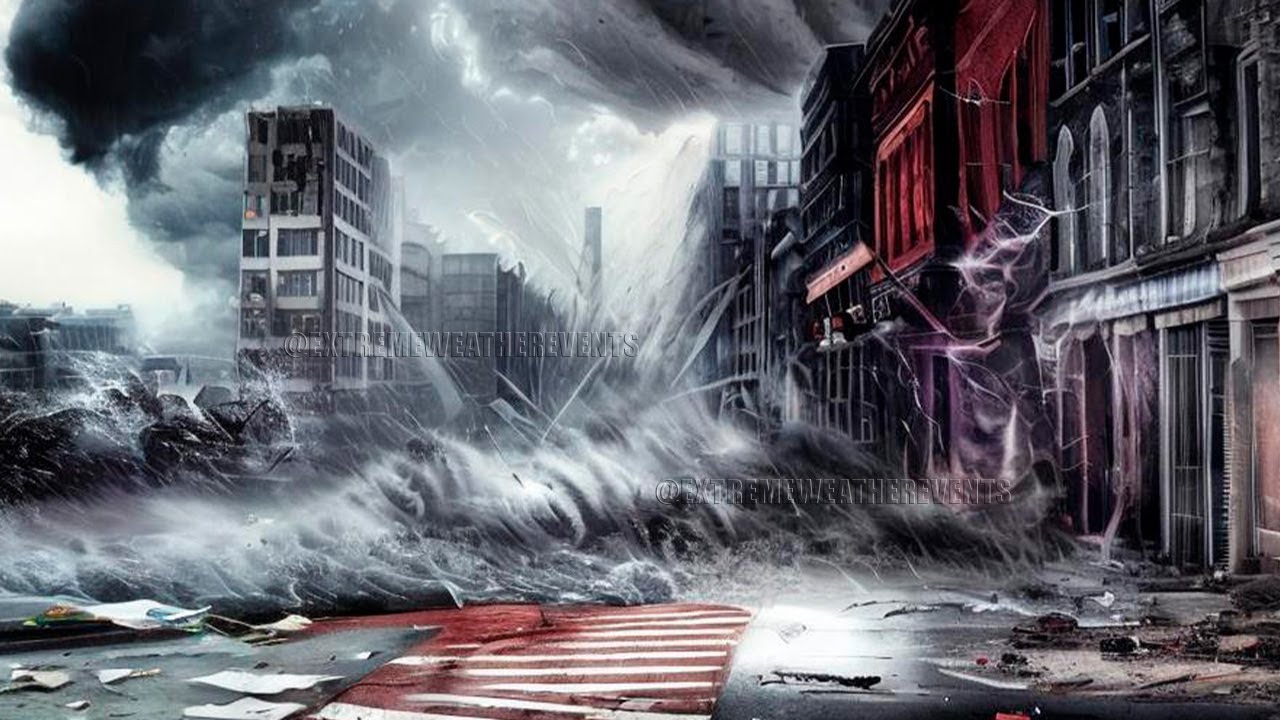
Weather is defined as the current condition of the atmosphere at a specific
time and place. It changes because air in the atmosphere is in continuous
motion.
There are six main components or parts of weather. They are air
temperature, atmospheric pressure, wind, humidity, precipitation, and clouds.
1. Air temperature refers to the hotness or coldness of the surrounding air.
2. Atmospheric pressure is the force exerted by the weight of the
atmosphere or air.
3. Wind refers to the movement of air.
4. Humidity refers to the amount of water vapor in the atmosphere.
5. Precipitation is any form of water that returns to the surface of Earth. Water droplets may fall down as rain, hail, sleet, or snow.
6. Clouds are water drops or ice crystals floating in the sky.
The atmosphere is the layer of air that surrounds the Earth.
Meteorology is the scientific study of the atmosphere that focuses on weather processes and forecasting. Meteorologists are the scientists who
study the weather and atmosphere. The Philippine Atmospheric, Geophysical and Astronomical Services Administration (PAGASA) is the government agency responsible for providing information about public weather forecasts and advisories, typhoon warnings, flood, and other information.
Weather Instruments
Weather instruments can help meteorologists to monitor the weather
accurately.
Anemometer – measures the speed of the wind.
Barometer – measures the atmospheric pressure.
Thermometer – measures the temperature or the hotness or coldness
of air.
Rain gauge – measures the amount of rainfall collected over a period of
time.
Snow gauge – measures the amount of solid precipitation or snow
collected over a period of time.
Wind vane – shows the direction of the wind.
Windsock or wind cone - can be used as a basic guide to wind direction
and speed. Typically, they are used at airports to indicate the direction
and strength of the wind to pilots and at chemical plants where there is a
risk of gaseous leakage. They are sometimes located alongside highways
of windy locations.
Hygrometer – measures the amount of humidity or water vapor in the
air.
Sling psychrometer - the simplest type of hygrometer. It measures the
relative humidity of the surrounding air by comparing the temperatures
of one dry and one wet-bulb thermometer.
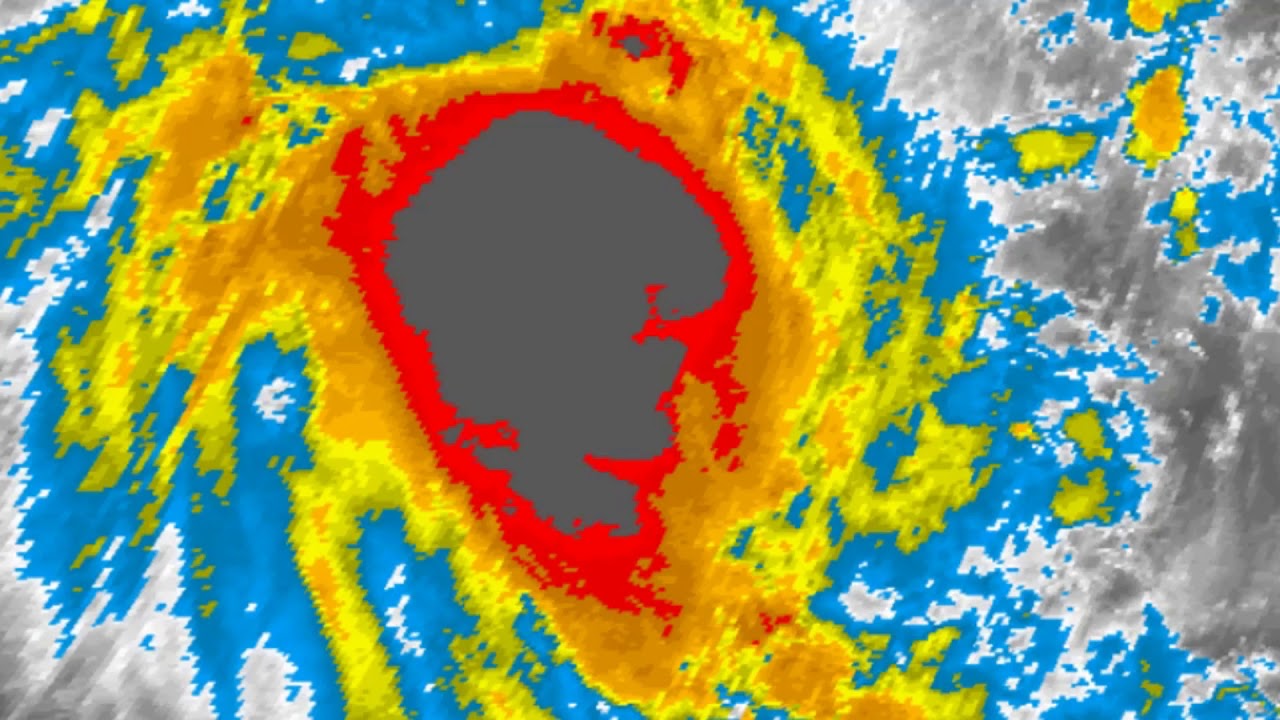
Weather maps - indicate atmospheric conditions prevailing in a certain
part of Earth. It aids meteorologists in weather forecasting.
Define weather
Enumerate the different components of weather
Identify the different weather instruments that are used to measure the
different weather components
Tell the uses of each weather instruments
LESSON PREREQUISITE
LESSON PROPER
Weather is defined as the current condition of the atmosphere at a specific
time and place. It changes because air in the atmosphere is in continuous
motion.
There are six main components or parts of weather. They are air
temperature, atmospheric pressure, wind, humidity, precipitation, and clouds.
1. Air temperature refers to the hotness or coldness of the surrounding air.
2. Atmospheric pressure is the force exerted by the weight of the
atmosphere or air.
3. Wind refers to the movement of air.
4. Humidity refers to the amount of water vapor in the atmosphere.
5. Precipitation is any form of water that returns to the surface of Earth. Water droplets may fall down as rain, hail, sleet, or snow.
6. Clouds are water drops or ice crystals floating in the sky.
The atmosphere is the layer of air that surrounds the Earth.
Meteorology is the scientific study of the atmosphere that focuses on weather processes and forecasting. Meteorologists are the scientists who
study the weather and atmosphere. The Philippine Atmospheric, Geophysical and Astronomical Services Administration (PAGASA) is the government agency responsible for providing information about public weather forecasts and advisories, typhoon warnings, flood, and other information.
Weather Instruments
Weather instruments can help meteorologists to monitor the weather
accurately.
Anemometer – measures the speed of the wind.
Barometer – measures the atmospheric pressure.
Thermometer – measures the temperature or the hotness or coldness
of air.
Rain gauge – measures the amount of rainfall collected over a period of
time.
Snow gauge – measures the amount of solid precipitation or snow
collected over a period of time.
Wind vane – shows the direction of the wind.
Windsock or wind cone - can be used as a basic guide to wind direction
and speed. Typically, they are used at airports to indicate the direction
and strength of the wind to pilots and at chemical plants where there is a
risk of gaseous leakage. They are sometimes located alongside highways
of windy locations.
Hygrometer – measures the amount of humidity or water vapor in the
air.
Sling psychrometer - the simplest type of hygrometer. It measures the
relative humidity of the surrounding air by comparing the temperatures
of one dry and one wet-bulb thermometer.
Weather maps - indicate atmospheric conditions prevailing in a certain
part of Earth. It aids meteorologists in weather forecasting.
Palavra-chave: meteorologia manica