Nobody Knew the Janitor Was a Blackhawk Pilot — Until the Base Went Dark
Descrição
The morning Maria Vasquez arrived for her shift at Fort Bradley, the sky hung heavy with the promise of a winter storm. The maintenance bay doors were already open, techs and crews bustling around the fleet of Blackhawks that served as the backbone of the 10th Mountain Division's rapid response capabilities. Maria moved through the hangar with practiced invisibility, pushing her janitorial cart with the kind of quiet efficiency that ensured nobody really saw her. Just another worker in worn coveralls, the base patch on her sleeve faded nearly beyond recognition.
Maria had been working maintenance at Fort Bradley for nearly four years now, cleaning the administrative offices, the pilots' ready room, the briefing areas—all the spaces adjacent to where the real action happened. Her security badge labeled her as "Facility Support Staff," the kind of generic designation that got you through certain doors but kept you firmly outside others. The kind that made officers' eyes slide past you in hallways, their conversations continuing uninterrupted because you weren't really there.
She paused near the mission planning station, her trained eye catching something that made her tilt her head slightly. The weather radar pattern on one of the monitors showed a subtle anomaly in the approaching storm front. A pocket of instability that would create dangerous wind shear right along the mountain evacuation route.
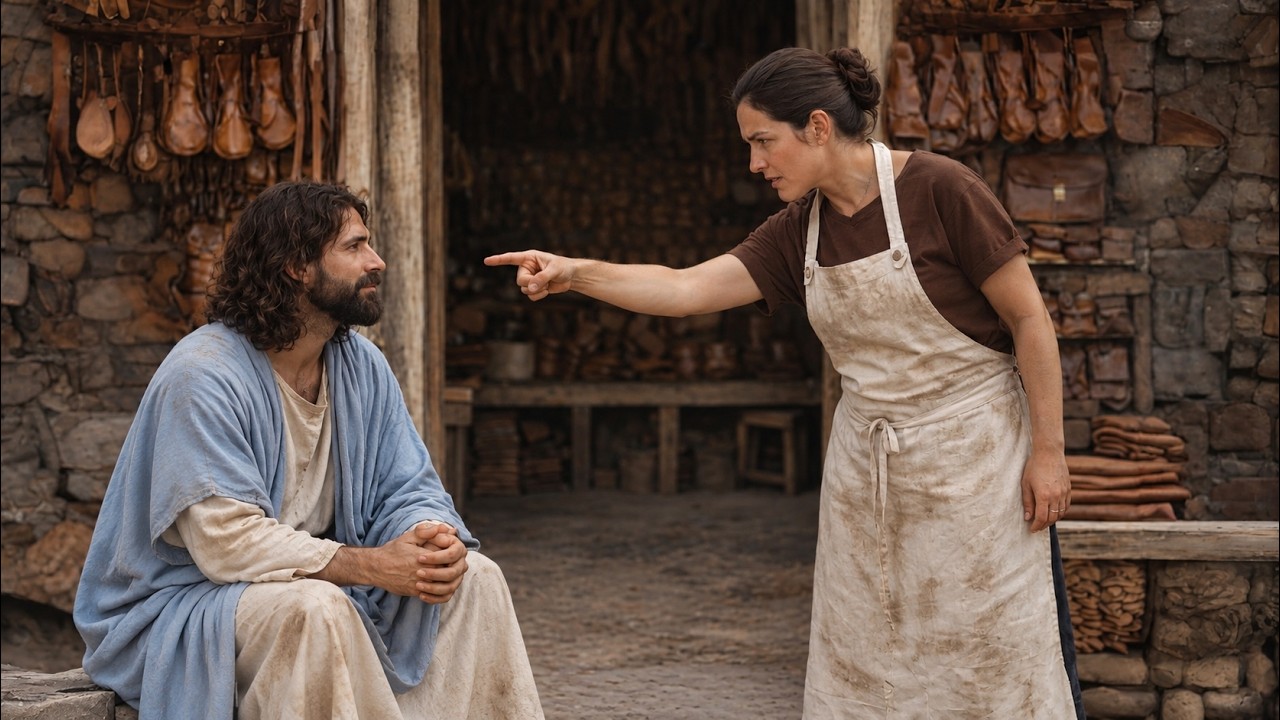
"Sir, you've got a wind shear pattern forming in the western quadrant," she said quietly to Lieutenant Wilson, who was reviewing the morning's flight plans. "It'll hit the mountain pass in about three hours."
Wilson, a polished officer with two years of experience and the confidence that came with a prestigious flight school pedigree, looked up with raised eyebrows. "Thanks. We'll have meteorology look into it." His tone carried the dismissive politeness reserved for people who clearly didn't understand what they were looking at.
Several flight officers nearby exchanged glances, smirking. One of them, Captain Reeves, with mirrored aviator sunglasses hanging from his collar, chuckled. "Maintenance office is two hangars down. Cleanup crews don't need to worry about flight conditions."
Maria felt the familiar weight of assumptions settling around her—the quiet woman with the worn uniform and unmarked cart. The one who didn't belong in mission briefings. Someone snapped a photo of her mild embarrassment, probably for the base's internal social media group where they shared jokes about civilian contractors.
Maria had been working maintenance at Fort Bradley for nearly four years now, cleaning the administrative offices, the pilots' ready room, the briefing areas—all the spaces adjacent to where the real action happened. Her security badge labeled her as "Facility Support Staff," the kind of generic designation that got you through certain doors but kept you firmly outside others. The kind that made officers' eyes slide past you in hallways, their conversations continuing uninterrupted because you weren't really there.
She paused near the mission planning station, her trained eye catching something that made her tilt her head slightly. The weather radar pattern on one of the monitors showed a subtle anomaly in the approaching storm front. A pocket of instability that would create dangerous wind shear right along the mountain evacuation route.
"Sir, you've got a wind shear pattern forming in the western quadrant," she said quietly to Lieutenant Wilson, who was reviewing the morning's flight plans. "It'll hit the mountain pass in about three hours."
Wilson, a polished officer with two years of experience and the confidence that came with a prestigious flight school pedigree, looked up with raised eyebrows. "Thanks. We'll have meteorology look into it." His tone carried the dismissive politeness reserved for people who clearly didn't understand what they were looking at.
Several flight officers nearby exchanged glances, smirking. One of them, Captain Reeves, with mirrored aviator sunglasses hanging from his collar, chuckled. "Maintenance office is two hangars down. Cleanup crews don't need to worry about flight conditions."
Maria felt the familiar weight of assumptions settling around her—the quiet woman with the worn uniform and unmarked cart. The one who didn't belong in mission briefings. Someone snapped a photo of her mild embarrassment, probably for the base's internal social media group where they shared jokes about civilian contractors.
Palavra-chave: meteorologia manica