A Meteorologist Told Eisenhower the Storm Would Break — By Dawn D-Day Was On
Descrição
On the night of June 4, 1944, the largest amphibious invasion in history was on hold. A storm was battering the English Channel, the original D-Day date of June 5 had already been cancelled, and more than 150,000 Allied troops were waiting aboard ships and in camps across southern England.
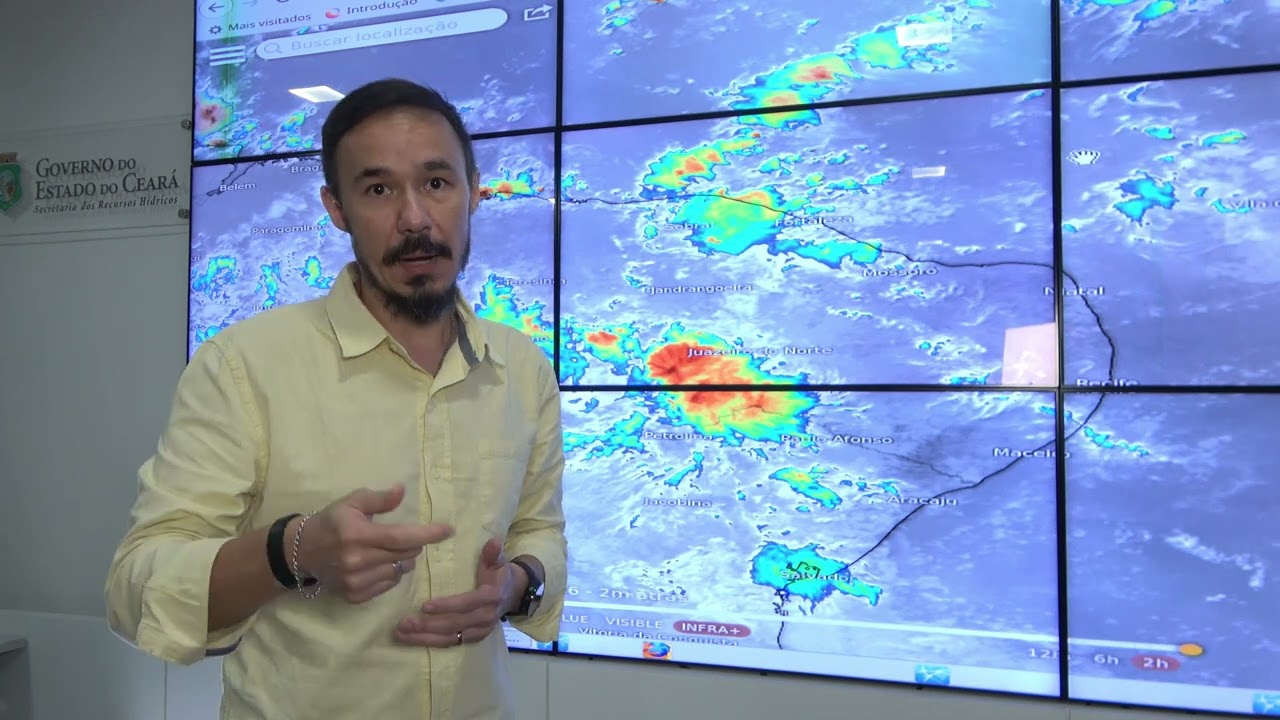
At Southwick House near Portsmouth, Group Captain James Stagg, General Eisenhower’s chief meteorologist, delivered a forecast that changed everything. Drawing on weather reports from ships and stations across the Atlantic, Stagg’s team identified a brief break in the storm, a narrow window of improved conditions expected for June 6.
The forecast was not unanimous. British and American weather teams had argued over the data for days, and the stakes could not have been higher. If the invasion were delayed again, the next suitable combination of tide and moonlight would not arrive until June 19, when, as it turned out, an even worse storm struck the Channel.
In the early hours of June 5, after Stagg confirmed his prediction, Eisenhower gave the final order. The invasion would go ahead.
On the other side of the Channel, German meteorologists, lacking the same Atlantic weather data, believed the bad weather would continue. Field Marshal Erwin Rommel left Normandy for Germany to attend his wife’s birthday. Several German commanders were away from their posts when the landings began.
This is the story of the weather forecast that decided D-Day.
Palavra-chave: meteorologia manica