Zim govt preparedness for Chalane proves was negligent with Cyclone Idai and should be held responsi
Descrição
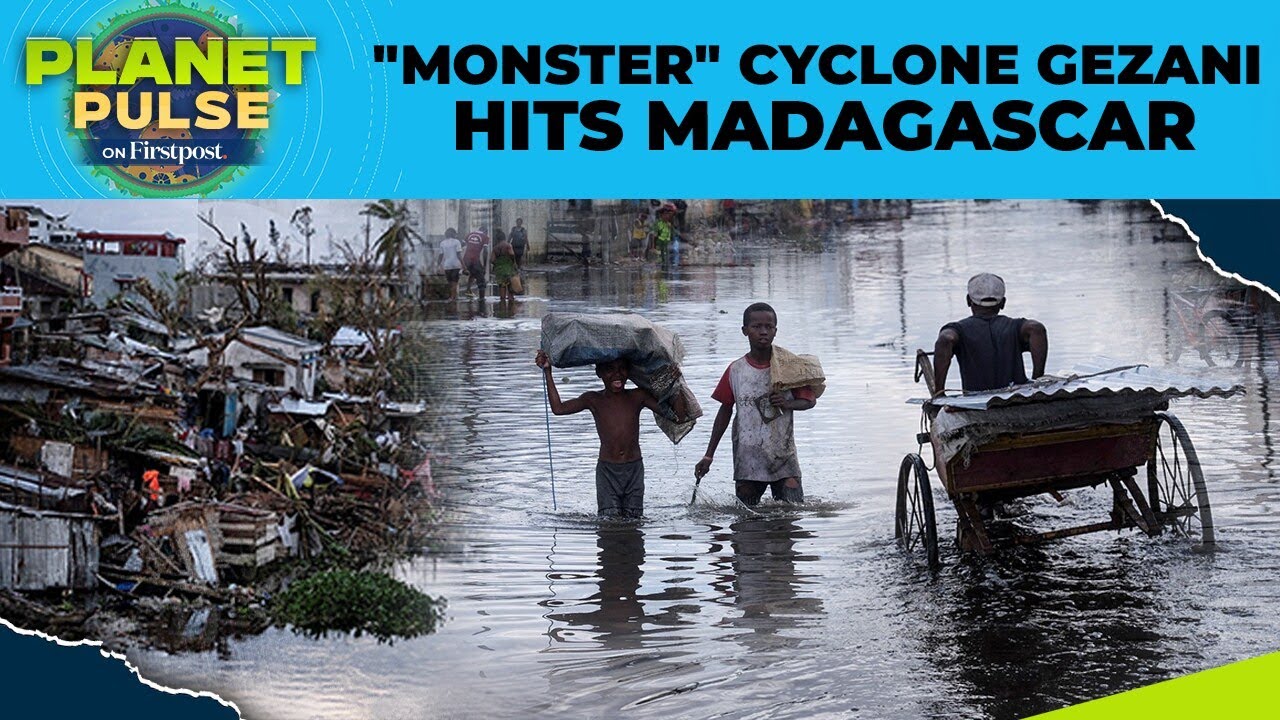
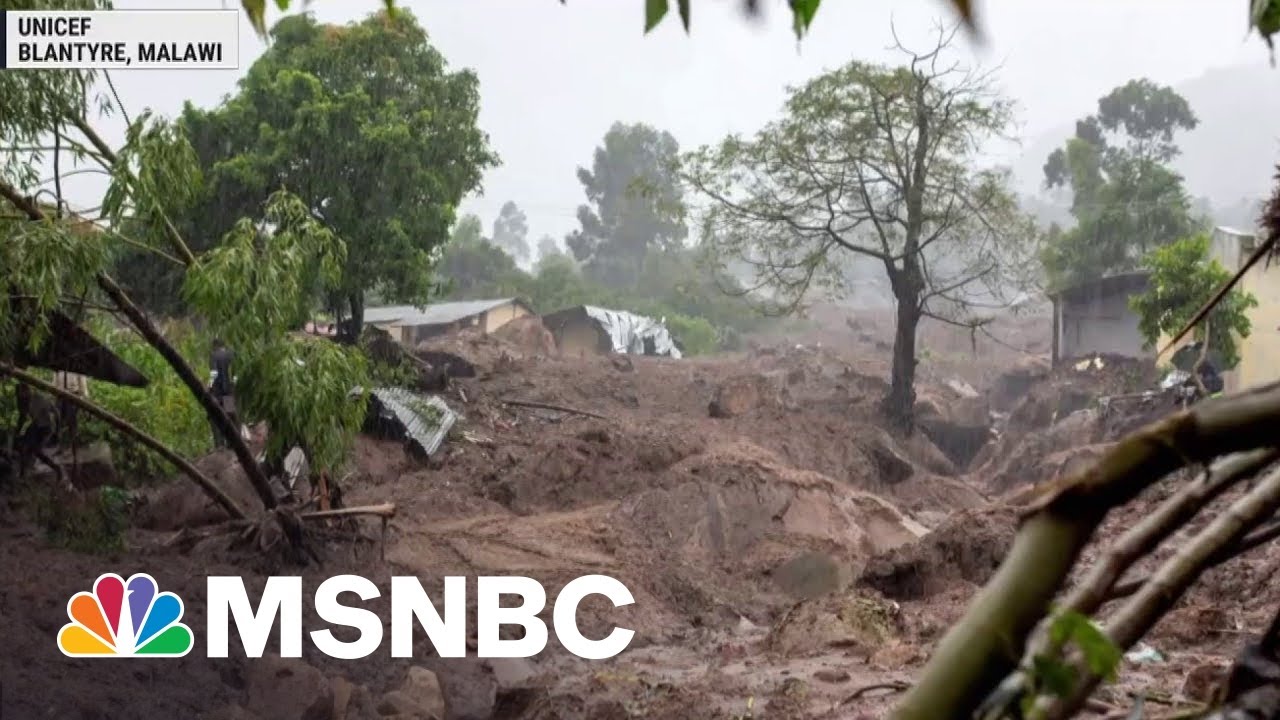
Tendai Ruben Mbofana The past week or so, have been characterized by government departments, in cooperation and coordination with several stakeholders, putting in place measures to minimize the impact of this potentially disastrous and destructive weather formation – with the availing of transport for the evacuation of those in possible danger to safer areas, and establishment of response mechanisms at various appropriate spots. What kept eating up my innards, as all this activity was taking place, was, “Why were similar precautionary and preemptive measures never put in place, in 2018, when news reports were already awash of the impending more devastating and catastrophic Cyclone Idai – which, had already wrecked phenomenal havoc, and killed multitudes of people in the countries it had passed through, such as Mozambique? “Could lives not have been saved, had authorities in Zimbabwe, done in 2018, what they are doing this time around? Did all of us not know, from numerous weather reports and warnings (days in advance) the immense strength of Cyclone Idai, and the possible path it would take in this country?” As I listened to Zimbabwe minister of information Monica Mutsvangwa briefing the nation yesterday, 30 December, on tropical depression Chalane – with the way she articulated the various forms this weather phenomenon had been taking since its formation a week or so ago, the times it had reached the Mozambique coast, when it reached the Zimbabwe eastern regions, and its expected strength, and possible damage – I could not help wondering why the government did not take similar information seriously ahead of the much more deadly Cyclone Idai in 2018… information that anyone who followed international news reports, and social media weather posts, was well aware of. Most of us were already in panic mode, as we followed the advancing Cyclone Idai – watching the horrid devastation it inflicted on such countries as Mozambique – coupled with credible international weather services’ warnings of the path it would follow in Zimbabwe, the same Chimanimani, Nyanga, and surrounding regions, and the potential fatal mayhem. The traumatizing images of the aftermath of the worst natural disaster to ever hit Zimbabwe, were too much too bear – as video footage showed homes being washed away like houses of cards, whilst people were swept away to far away places as Mozambique, and others buried alive, most of them never to be seen again. Who can ever get over the painful and heart-rending testimonies of survivors, who tearfully chronicled the calamity that befell them and their families, how their homes were wrecked to the ground in literally seconds, and how they helplessly watched their loved ones washed away by the irresistible force of nature (crying out for help that would not come), and how they themselves managed to survive? Nearly two years later, and faced with the potential of a similar catastrophe, these people are still living in tents – as
Palavra-chave: chalane cyclone