What You Won't See On The News About The Disaster Super El Niño Can Cause
Descrição
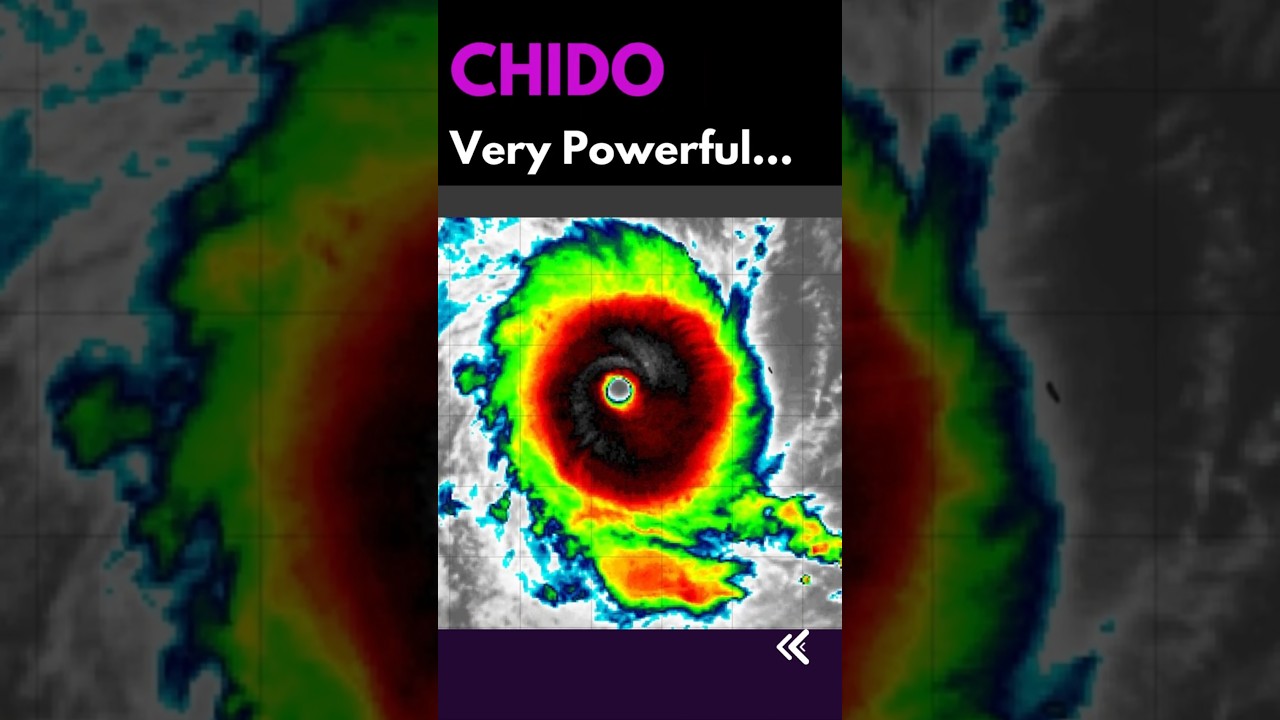
El Nino has officially formed, with NOAA projections suggesting a near 100% chance of these conditions persisting through winter.
The World Meteorological Organization has confirmed the developing conditions, marking a significant shift in global weather patterns. While media coverage often leans toward sensationalism, this update focuses on the verified data from NOAA and what the current advisory status actually implies for regional weather forecast trends in the coming months.
We examine the specific consequences of this climate change event, from the expanding toll of dengue fever to visual evidence of drought and flooding across affected regions. Understanding the mechanics of this natural disaster is essential for interpreting how these shifts affect local environments and infrastructure.
Subscribe for weekly weather tracking and safety analysis. Let us know in the comments if you want ongoing updates as the season progresses.
The Pacific Ocean is on track for the strongest El Niño ever recorded, and almost none of it is a surprise. NOAA moved to an advisory in June. Thirty out of thirty model runs agree. The World Meteorological Organization puts persistence through winter at effectively one hundred percent. This video walks through six things sitting in public documents right now that have barely reached the news: the forecast confidence itself, the American flood winter and the caveat nobody mentions, the drought half of the planet that gets no coverage, the 162 million children in the path, the dengue curve that follows every event, and the arithmetic that ends it — a 202 million dollar anticipatory action appeal weighed against projected losses in the trillions. Every figure comes from NOAA, the WMO, UNICEF, the FAO, the World Food Programme, PAHO, and peer-reviewed work in Science. Research cutoff: 6 September 2026. Sources linked below.
1. NOAA Climate Prediction Center — ENSO Diagnostic Discussion
https://www.cpc.ncep.noaa.gov/products/analysis_monitoring/enso_advisory/ensodisc.shtml
2. WMO El Niño/La Niña Update, August 2026
https://wmo.int/resources/publication-series/el-ninola-nina-updates/august-2026
3. CPC forecast detail and RONI figures (StormBag summary, 19 Aug 2026)
https://stormbag.co/blogs/stormbag-flood-protection-blog/super-el-nino-2026-27-what-noaas-off-the-charts-forecast-means-for-the-year-ahead
4. SPEAR ensemble and CPC probabilities (Newsweek, 31 Jul 2026)
https://www.newsweek.com/super-el-nino-2026-forecast-prediction-experts-12241456
5. Super El Niño winter forecast for the US (CNN, 20 Aug 2026)
https://www.cnn.com/2026/08/20/weather/super-el-nino-us-winter-forecast-climate
0:00 The forecast nobody gets to call a surprise
0:40 Thirty out of thirty models agree
1:25 The flood winter — and the caveat
2:23 The half of the planet that gets drought
3:13 162 million children in the path
3:48 The outbreak that follows the water
4:30 $202 million against trillions in losses
5:37 What a good warning would look like
The World Meteorological Organization has confirmed the developing conditions, marking a significant shift in global weather patterns. While media coverage often leans toward sensationalism, this update focuses on the verified data from NOAA and what the current advisory status actually implies for regional weather forecast trends in the coming months.
We examine the specific consequences of this climate change event, from the expanding toll of dengue fever to visual evidence of drought and flooding across affected regions. Understanding the mechanics of this natural disaster is essential for interpreting how these shifts affect local environments and infrastructure.
Subscribe for weekly weather tracking and safety analysis. Let us know in the comments if you want ongoing updates as the season progresses.
The Pacific Ocean is on track for the strongest El Niño ever recorded, and almost none of it is a surprise. NOAA moved to an advisory in June. Thirty out of thirty model runs agree. The World Meteorological Organization puts persistence through winter at effectively one hundred percent. This video walks through six things sitting in public documents right now that have barely reached the news: the forecast confidence itself, the American flood winter and the caveat nobody mentions, the drought half of the planet that gets no coverage, the 162 million children in the path, the dengue curve that follows every event, and the arithmetic that ends it — a 202 million dollar anticipatory action appeal weighed against projected losses in the trillions. Every figure comes from NOAA, the WMO, UNICEF, the FAO, the World Food Programme, PAHO, and peer-reviewed work in Science. Research cutoff: 6 September 2026. Sources linked below.
1. NOAA Climate Prediction Center — ENSO Diagnostic Discussion
https://www.cpc.ncep.noaa.gov/products/analysis_monitoring/enso_advisory/ensodisc.shtml
2. WMO El Niño/La Niña Update, August 2026
https://wmo.int/resources/publication-series/el-ninola-nina-updates/august-2026
3. CPC forecast detail and RONI figures (StormBag summary, 19 Aug 2026)
https://stormbag.co/blogs/stormbag-flood-protection-blog/super-el-nino-2026-27-what-noaas-off-the-charts-forecast-means-for-the-year-ahead
4. SPEAR ensemble and CPC probabilities (Newsweek, 31 Jul 2026)
https://www.newsweek.com/super-el-nino-2026-forecast-prediction-experts-12241456
5. Super El Niño winter forecast for the US (CNN, 20 Aug 2026)
https://www.cnn.com/2026/08/20/weather/super-el-nino-us-winter-forecast-climate
0:00 The forecast nobody gets to call a surprise
0:40 Thirty out of thirty models agree
1:25 The flood winter — and the caveat
2:23 The half of the planet that gets drought
3:13 162 million children in the path
3:48 The outbreak that follows the water
4:30 $202 million against trillions in losses
5:37 What a good warning would look like
Palavra-chave: meteorologia pemba