
Very Intense Cyclone Freddy Satellite Imagery.
Descrição
after the long living of tropical cyclone freddy finally its time has come to an end.
which also took me 5hrs to compile and edit it. anyways here it is and hopefully you enjoy it.
(Very Intense Cyclone Freddy Satellite Imagery.)
Edited by; SuperTyphoon Tracker
Sources; Twitter/Googlewikipidia
Original Music; From Force Thirteen
⬇️⬇️⬇️
1997 Pacific Typhoon Season Animation v.2
https://m.youtube.com/watch?v=63Hy9JvV-0Q
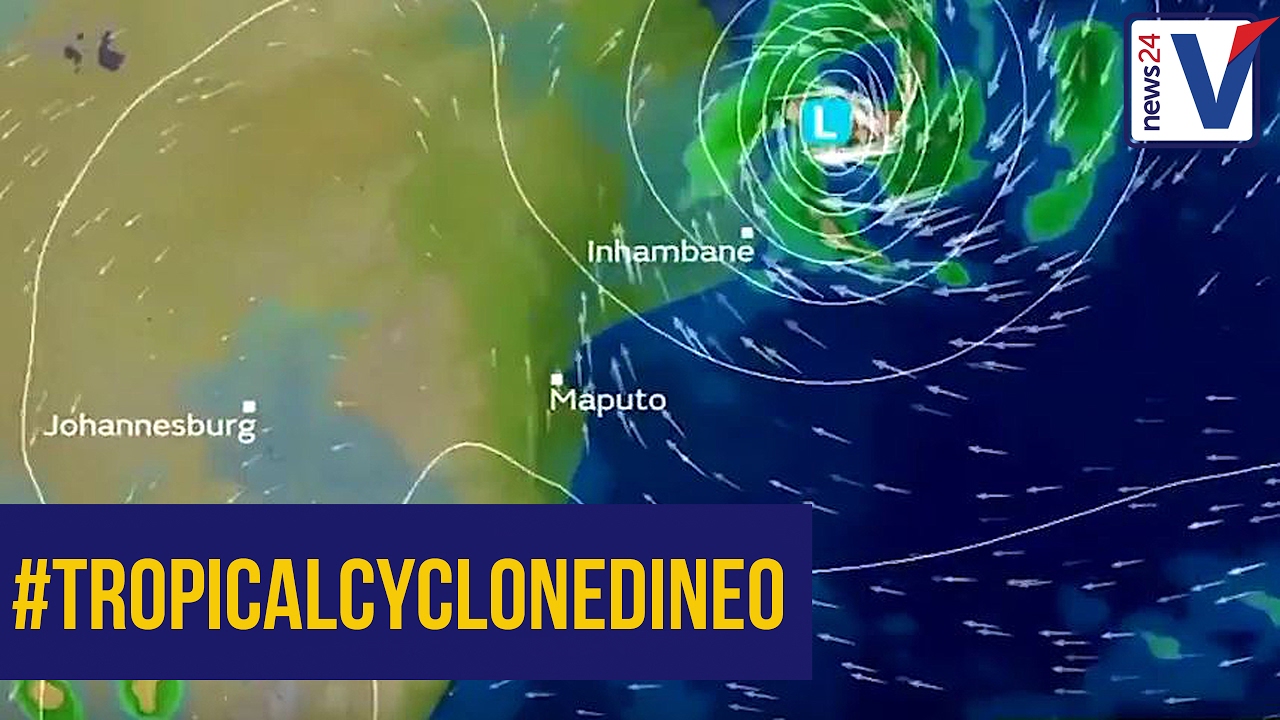
Very Intense Tropical Cyclone Freddy was an exceptionally long-lived storm that tracked across the Indian Ocean for more than five weeks in February and March 2023. It was the fourth named storm of the 2022–23 Australian region cyclone season, and the second very intense tropical cyclone of the 2022–23 South-West Indian Ocean cyclone season.
Freddy first developed as a disturbance embedded within the monsoon trough on 4 February 2023. While in the Australian region cyclone basin, the storm quickly intensified and became a Category 4 severe tropical cyclone, before it moved into the South-West Indian Ocean basin, where it intensified further. The Joint Typhoon Warning Center (JTWC) estimated 1-minute sustained winds of 270 km/h (165 mph) at Freddy's peak strength, equivalent to Category 5 strength on the Saffir–Simpson scale. On 19 February, Météo-France (MFR) upgraded it to a very intense tropical cyclone, estimated 10-minute winds of 220 km/h (140 mph). Freddy made its first landfall near Mananjary, Madagascar. The storm rapidly weakened overland but re-strengthened in the Mozambique Channel. Shortly afterward, Freddy made second landfall just south of Vilankulos, Mozambique, before rapidly weakening. Unexpectedly, the system managed to survive its visit in Mozambique and emerged back over the channel on 1 March. Soon after, Freddy was re-classified as a tropical cyclone status by the MFR. Over the course of 10 days, Freddy rapidly intensified on two occasions, eventually slowing to a semi-stationary movement near Quelimane, Mozambique. Moving northwest inland, the storm gradually deteriorated and dissipated over Mozambique on 15 March.
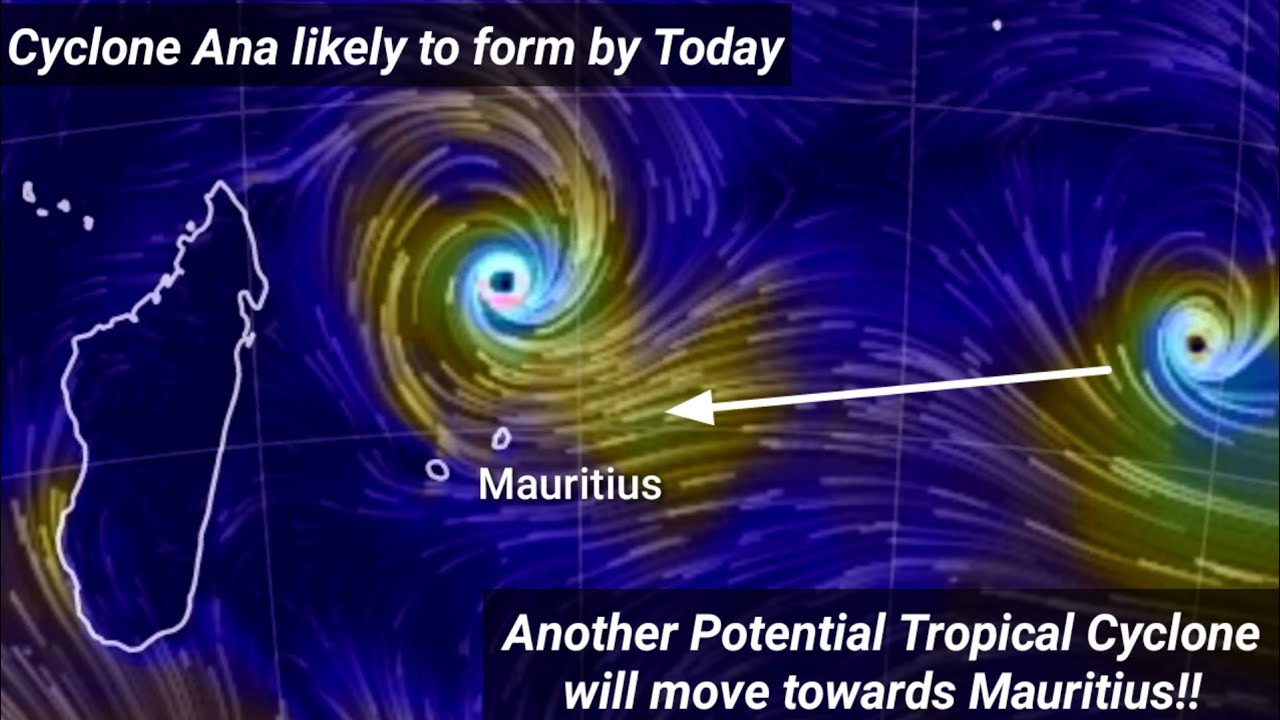
Preparations for the storm in the Mascarene Islands included flight groundings, cyclone alerts, and personnel being prepped for the aftermath, among other things. In Madagascar, areas previously affected by Cyclones Batsirai and Cheneso were feared to be worsened by the storm's arrival. On 20–21 February, Freddy skirted Mauritius and Réunion to the north, bringing strong winds and adverse weather conditions. A Taiwanese-flagged vessel with a crew of 16 went missing northeast of Mauritius. The cyclone struck southeastern Madagascar, damaging many homes. Impacts in Mozambique were more severe than Madagascar, and included heavy rainfall in the southern half of the country, and widely damaged infrastructure. Some parts of the country received more than 300 mm (12 in) of rain. Effects in Mozambique were exacerbated after its second landfall with further floods and wind damage.
Hardest-hit was Malawi where incessant rains caused catastrophic flash floods, with Blantyre suffering the brunt of it. The nation's power grid was crippled, with its hydroelectric dam rendered inoperable. Overall, the cyclone killed at least 307 people: 225 in Malawi, 63 in Mozambique, 17 in Madagascar, and 2 in Zimbabwe. The widespread and prolonged impacts prompted extensive relief efforts from the affected nations and multiple intergovernmental agencies. UNICEF and the WFP provided relief items for those affected, as well as temporary shelters. Food security was of particular concern, with millions left at risk.
Freddy holds the record as the longest-lasting tropical cyclone worldwide, beating the previous record of Hurricane John in 1994. Freddy also holds the record for the all-time highest accumulated cyclone energy of a tropical cyclone worldwide, with an ACE of 87.01, breaking the former record of 85.26 which was set by Hurricane Ioke in 2006. Freddy was the first tropical cyclone to undergo seven separate rounds of rapid intensification. Freddy was one of only four systems to traverse the entirety of the southern Indian Ocean from east to west; the others were cyclones Litanne in 1994 and Leon–Eline and Hudah in 2000.
#cylonefreddy
#veryintensecyclonefreddy
#20222023australianregioncycloneseason
#20222023swiocycloneseason
#subscribe
Palavra-chave: meteorologia quelimane





















Comentários
@thebutchoygamingbtym8242 · 28/06/2023
Freddy, also known as the longest-lived tropical cyclone in recorded history. With 165 MPH Winds. 33 Days of non-stop of intensification and weakning. I think this is the best storm worldwide this year.
@elvisespinal4274 · 16/03/2023
Wuaooo. Cyclone Freddy☠☠.
@kymiram7865 · 16/03/2023 · 👍 2
first after premiere
@sueviteGD · 27/03/2023
Freddy was just like: *iM gOnNa hIt mAdAgAsCaR!!!!!11!!1* then *MOZAMBIQUEEEEEEEEEEE.* Then was like *I'm not done yet *proceeds to almost stall in madagascar to attain longest living cyclone* *I FINALLY BEAT DAD!* Then was like *IM NOT DONE YET, DIE MOZAMBIQUE!!!!!*
@MyChannelwas_aRobloxChannel · 17/03/2023
The Longest Lived Storm Occured. Feb 6 - Mar 16
@andrelance775 · 16/03/2023 · 👍 1
Hello
@クレボルド派支部 · 16/03/2023 · 👍 1
I'm The Fourth
@andrelance775 · 17/03/2023
I'm 2nd