Unveiling Madagascar Island of Biodiversity Wonders
Descrição
Madagascar is the fourth largest island in the world, located off the southeastern coast of Africa in the Indian Ocean. It is renowned for its unique biodiversity, distinct cultural heritage, and diverse ecosystems, making it a focal point for conservation efforts and ecological studies.
Geography
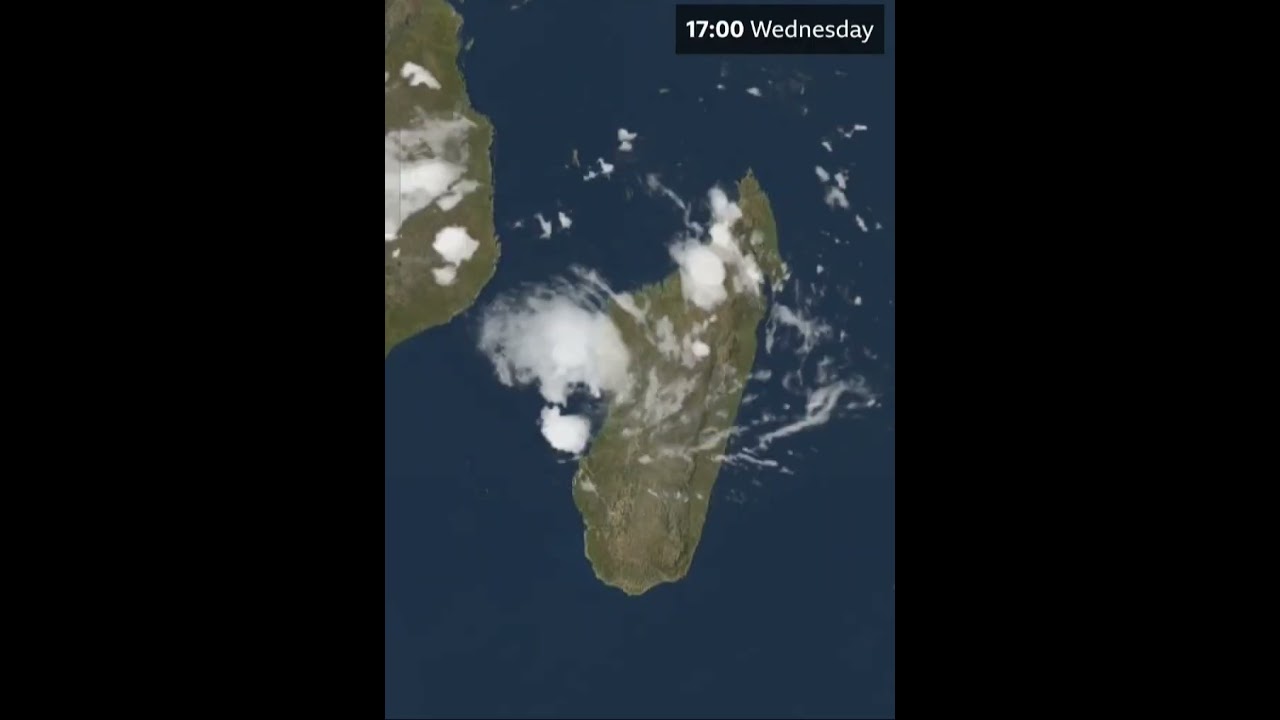
Location: Madagascar lies about 400 kilometers (250 miles) east of mainland Africa, separated by the Mozambique Channel.
Size: The island spans approximately 587,041 square kilometers (226,658 square miles), making it the world's fourth-largest island.
Topography: The island features diverse landscapes, including coastal plains, high plateaus, and mountain ranges. The highest peak is Maromokotro at 2,876 meters (9,436 feet).
Climate
Tropical Climate: Madagascar's climate varies from tropical along the coast, temperate inland, to arid in the south.
Seasonal Variations: The island experiences a hot, rainy season from November to April and a cooler, dry season from May to October.
Biodiversity
Endemic Species: Madagascar is a biodiversity hotspot with over 90% of its wildlife found nowhere else on Earth. This includes lemurs, chameleons, and a vast array of plant species.
Lemurs: Perhaps the most famous residents, lemurs are primates unique to Madagascar, with over 100 different species and subspecies.
Flora: The island is home to an estimated 14,000 plant species, including the iconic baobab trees and unique orchids.
History
Early Settlers: The first human settlers are believed to have arrived from Southeast Asia around 2000 BCE, followed by Bantu migrants from Africa.
Kingdoms: Several powerful kingdoms, including the Merina Kingdom, rose on the island before European contact.
Colonial Era: Madagascar was colonized by the French in 1896 and remained under French rule until gaining independence on June 26, 1960.
Culture
Ethnic Diversity: The Malagasy people are composed of 18 ethnic groups, reflecting the island’s history of diverse migrations and cultural influences.
Languages: Malagasy and French are the official languages. Malagasy is spoken throughout the island, with regional dialects reflecting the island’s diverse cultures.
Traditions: Malagasy culture is rich in traditions, including music, dance, and rituals such as the "famadihana" or turning of the bones, a funerary tradition to honor ancestors.
Economy
Agriculture: The economy is largely based on agriculture, with major crops including rice, coffee, vanilla, and cloves. Madagascar is the world’s leading producer of vanilla.
Mining: The island has significant mineral resources, including sapphires, nickel, and graphite.
Tourism: Tourism is a growing sector, driven by the island's unique wildlife, national parks, and natural beauty.
Conservation Challenges
Deforestation: Extensive deforestation due to slash-and-burn agriculture, logging, and charcoal production threatens Madagascar's unique ecosystems.
Wildlife Protection: Conservation efforts are crucial to protect endangered species and their habitats. Numerous national parks and protected areas have been established.
Climate Change: Madagascar is vulnerable to the impacts of climate change, including cyclones, droughts, and rising sea levels.
Politics
Government: Madagascar is a semi-presidential representative democratic republic. The President is the head of state, while the Prime Minister is the head of government.
Political Stability: The country has experienced political instability, including coups and contested elections. Efforts continue to strengthen democratic institutions and governance.
Conclusion
Madagascar is a land of incredible natural beauty and cultural richness. Its unique biodiversity and ecological importance make it a priority for global conservation efforts. While facing significant economic and environmental challenges, Madagascar's potential for sustainable development and tourism offers hope for the future.
Geography
Location: Madagascar lies about 400 kilometers (250 miles) east of mainland Africa, separated by the Mozambique Channel.
Size: The island spans approximately 587,041 square kilometers (226,658 square miles), making it the world's fourth-largest island.
Topography: The island features diverse landscapes, including coastal plains, high plateaus, and mountain ranges. The highest peak is Maromokotro at 2,876 meters (9,436 feet).
Climate
Tropical Climate: Madagascar's climate varies from tropical along the coast, temperate inland, to arid in the south.
Seasonal Variations: The island experiences a hot, rainy season from November to April and a cooler, dry season from May to October.
Biodiversity
Endemic Species: Madagascar is a biodiversity hotspot with over 90% of its wildlife found nowhere else on Earth. This includes lemurs, chameleons, and a vast array of plant species.
Lemurs: Perhaps the most famous residents, lemurs are primates unique to Madagascar, with over 100 different species and subspecies.
Flora: The island is home to an estimated 14,000 plant species, including the iconic baobab trees and unique orchids.
History
Early Settlers: The first human settlers are believed to have arrived from Southeast Asia around 2000 BCE, followed by Bantu migrants from Africa.
Kingdoms: Several powerful kingdoms, including the Merina Kingdom, rose on the island before European contact.
Colonial Era: Madagascar was colonized by the French in 1896 and remained under French rule until gaining independence on June 26, 1960.
Culture
Ethnic Diversity: The Malagasy people are composed of 18 ethnic groups, reflecting the island’s history of diverse migrations and cultural influences.
Languages: Malagasy and French are the official languages. Malagasy is spoken throughout the island, with regional dialects reflecting the island’s diverse cultures.
Traditions: Malagasy culture is rich in traditions, including music, dance, and rituals such as the "famadihana" or turning of the bones, a funerary tradition to honor ancestors.
Economy
Agriculture: The economy is largely based on agriculture, with major crops including rice, coffee, vanilla, and cloves. Madagascar is the world’s leading producer of vanilla.
Mining: The island has significant mineral resources, including sapphires, nickel, and graphite.
Tourism: Tourism is a growing sector, driven by the island's unique wildlife, national parks, and natural beauty.
Conservation Challenges
Deforestation: Extensive deforestation due to slash-and-burn agriculture, logging, and charcoal production threatens Madagascar's unique ecosystems.
Wildlife Protection: Conservation efforts are crucial to protect endangered species and their habitats. Numerous national parks and protected areas have been established.
Climate Change: Madagascar is vulnerable to the impacts of climate change, including cyclones, droughts, and rising sea levels.
Politics
Government: Madagascar is a semi-presidential representative democratic republic. The President is the head of state, while the Prime Minister is the head of government.
Political Stability: The country has experienced political instability, including coups and contested elections. Efforts continue to strengthen democratic institutions and governance.
Conclusion
Madagascar is a land of incredible natural beauty and cultural richness. Its unique biodiversity and ecological importance make it a priority for global conservation efforts. While facing significant economic and environmental challenges, Madagascar's potential for sustainable development and tourism offers hope for the future.
Palavra-chave: primeiros habitantes de moçambique