Unveiling Madagascar Island of Biodiversity Wonders
Descrição
Madagascar, the fourth largest island in the world, is located in the Indian Ocean off the southeastern coast of Africa. Known for its unique biodiversity, rich cultural heritage, and distinct history, Madagascar offers a fascinating blend of natural wonders and human traditions. Here’s an overview of this extraordinary island:
Geography and Climate
Location and Size:
Madagascar is situated about 400 kilometers (250 miles) off the coast of Mozambique. The island covers an area of approximately 587,041 square kilometers (226,658 square miles).
Topography:
The island features diverse landscapes, including tropical rainforests, dry deciduous forests, plateaus, and savannas. The eastern coast is lined with rainforests, while the central highlands are characterized by grassy plains and rocky hills. The western region is drier, with spiny forests and baobab trees.
Climate:
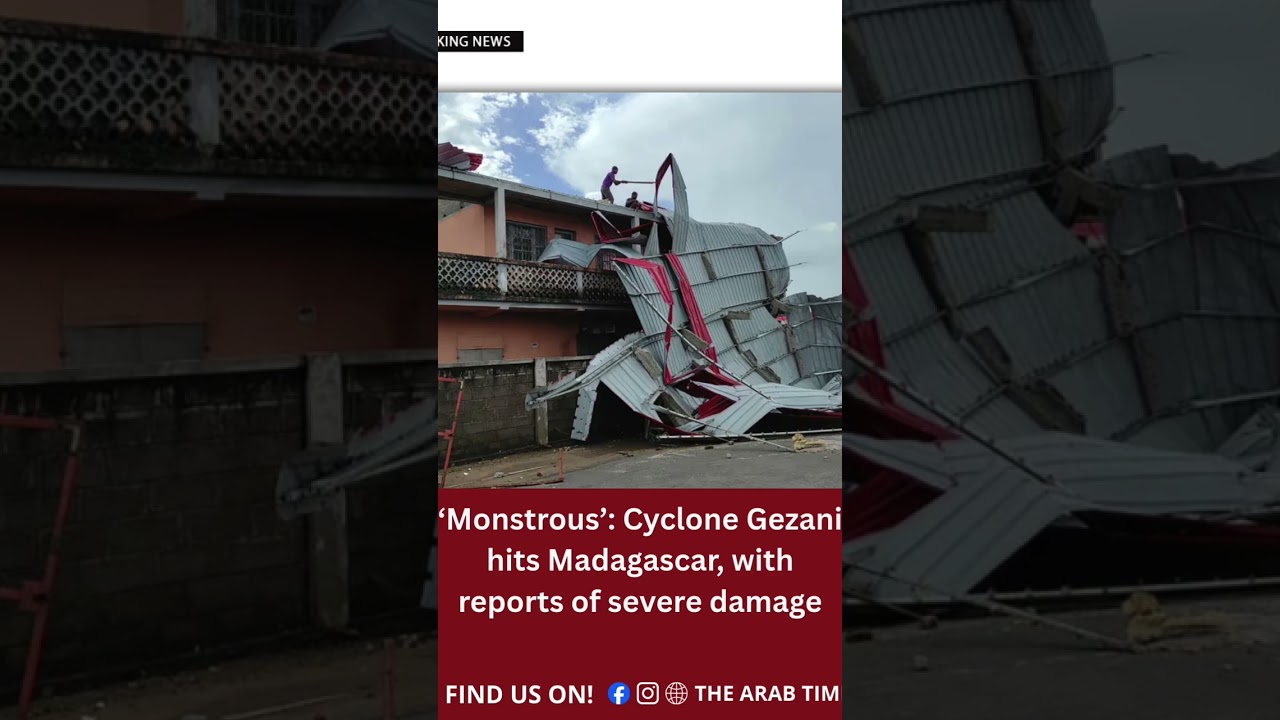
Madagascar’s climate varies from tropical along the coast to temperate in the highlands. The island experiences a wet season from November to April and a dry season from May to October. Cyclones can occur during the wet season, impacting the island’s weather and environment.
Biodiversity
Flora and Fauna:
Madagascar is renowned for its unique biodiversity, with around 90% of its wildlife found nowhere else on Earth. This includes over 100 species of lemurs, numerous chameleons, geckos, and a wide variety of endemic plants.
Key species include the indri (the largest living lemur), the fossa (a carnivorous mammal), and the Madagascar periwinkle (a plant used in cancer treatment).
Conservation:
The island’s biodiversity is under threat from deforestation, habitat destruction, and climate change. Conservation efforts are ongoing, with numerous national parks and protected areas established to preserve its unique ecosystems.
History
Early Settlers:
Madagascar was first settled by Austronesian peoples from Southeast Asia, around 2,000 years ago, followed by Bantu migrants from Africa. This blend of influences has shaped the island’s cultural and genetic makeup.
Kingdoms and Colonization:
Various kingdoms emerged over centuries, with the Merina Kingdom eventually dominating the island in the 19th century. In 1896, Madagascar became a French colony, which lasted until it gained independence in 1960.
Culture
Languages:
Malagasy and French are the official languages. Malagasy, spoken by the majority, has numerous dialects reflecting the island’s diverse ethnic groups.
Traditions and Festivals:
Madagascar’s culture is rich in traditions, including music, dance, and ceremonies like the “famadihana” (turning of the bones), a funerary custom honoring ancestors.
The island’s cuisine features rice as a staple, often accompanied by meat, fish, and vegetables, with influences from French, Indian, and Chinese cuisines.
Art and Craft:
Handicrafts, including wood carving, basket weaving, and textile production, are integral to Malagasy culture. The island is also known for its vibrant markets and traditional arts.
Economy
Agriculture and Natural Resources:
Agriculture is a cornerstone of Madagascar’s economy, with key exports including vanilla, cloves, coffee, and cocoa. The island is the world’s largest producer of vanilla.
Mining is also significant, with deposits of nickel, cobalt, and precious stones like sapphires and rubies.
Tourism:
Tourism is a growing sector, driven by the island’s unique wildlife, natural beauty, and cultural heritage. Popular attractions include the Avenue of the Baobabs, Ranomafana National Park, and the beaches of Nosy Be.
Challenges
Economic Development:
Madagascar faces challenges in economic development, with issues like poverty, political instability, and inadequate infrastructure affecting its progress.
Environmental Issues:
Deforestation and habitat loss are critical environmental issues, driven by slash-and-burn agriculture, illegal logging, and charcoal production. Efforts to promote sustainable development and conservation are crucial for the island’s future.
Conclusion
Madagascar is a land of remarkable natural and cultural diversity, offering unique experiences and insights into one of the world’s most distinctive ecosystems. Its rich history, vibrant traditions, and unparalleled biodiversity make it a fascinating destination for travelers and a critical focus for conservation efforts.
Geography and Climate
Location and Size:
Madagascar is situated about 400 kilometers (250 miles) off the coast of Mozambique. The island covers an area of approximately 587,041 square kilometers (226,658 square miles).
Topography:
The island features diverse landscapes, including tropical rainforests, dry deciduous forests, plateaus, and savannas. The eastern coast is lined with rainforests, while the central highlands are characterized by grassy plains and rocky hills. The western region is drier, with spiny forests and baobab trees.
Climate:
Madagascar’s climate varies from tropical along the coast to temperate in the highlands. The island experiences a wet season from November to April and a dry season from May to October. Cyclones can occur during the wet season, impacting the island’s weather and environment.
Biodiversity
Flora and Fauna:
Madagascar is renowned for its unique biodiversity, with around 90% of its wildlife found nowhere else on Earth. This includes over 100 species of lemurs, numerous chameleons, geckos, and a wide variety of endemic plants.
Key species include the indri (the largest living lemur), the fossa (a carnivorous mammal), and the Madagascar periwinkle (a plant used in cancer treatment).
Conservation:
The island’s biodiversity is under threat from deforestation, habitat destruction, and climate change. Conservation efforts are ongoing, with numerous national parks and protected areas established to preserve its unique ecosystems.
History
Early Settlers:
Madagascar was first settled by Austronesian peoples from Southeast Asia, around 2,000 years ago, followed by Bantu migrants from Africa. This blend of influences has shaped the island’s cultural and genetic makeup.
Kingdoms and Colonization:
Various kingdoms emerged over centuries, with the Merina Kingdom eventually dominating the island in the 19th century. In 1896, Madagascar became a French colony, which lasted until it gained independence in 1960.
Culture
Languages:
Malagasy and French are the official languages. Malagasy, spoken by the majority, has numerous dialects reflecting the island’s diverse ethnic groups.
Traditions and Festivals:
Madagascar’s culture is rich in traditions, including music, dance, and ceremonies like the “famadihana” (turning of the bones), a funerary custom honoring ancestors.
The island’s cuisine features rice as a staple, often accompanied by meat, fish, and vegetables, with influences from French, Indian, and Chinese cuisines.
Art and Craft:
Handicrafts, including wood carving, basket weaving, and textile production, are integral to Malagasy culture. The island is also known for its vibrant markets and traditional arts.
Economy
Agriculture and Natural Resources:
Agriculture is a cornerstone of Madagascar’s economy, with key exports including vanilla, cloves, coffee, and cocoa. The island is the world’s largest producer of vanilla.
Mining is also significant, with deposits of nickel, cobalt, and precious stones like sapphires and rubies.
Tourism:
Tourism is a growing sector, driven by the island’s unique wildlife, natural beauty, and cultural heritage. Popular attractions include the Avenue of the Baobabs, Ranomafana National Park, and the beaches of Nosy Be.
Challenges
Economic Development:
Madagascar faces challenges in economic development, with issues like poverty, political instability, and inadequate infrastructure affecting its progress.
Environmental Issues:
Deforestation and habitat loss are critical environmental issues, driven by slash-and-burn agriculture, illegal logging, and charcoal production. Efforts to promote sustainable development and conservation are crucial for the island’s future.
Conclusion
Madagascar is a land of remarkable natural and cultural diversity, offering unique experiences and insights into one of the world’s most distinctive ecosystems. Its rich history, vibrant traditions, and unparalleled biodiversity make it a fascinating destination for travelers and a critical focus for conservation efforts.
Palavra-chave: primeiros habitantes de moçambique