
Top Ten Weather Checks for Powered Parachutes | Aviation Weather for Light Aircraft | Easy Flight
Descrição
1. Surface Winds. Far and away, surface winds are the thing I look at most. Surface winds are critical because they are going to determine how clean your wing kite-up and takeoff will be. Everyone has their own limitations based on their skill set, their equipment, their terrain, and their comfort level.
The basics I look at are wind speed, wind direction and directional consistency. With powered parachutes, the lower the wind speed, the better. A general rule is that if it’s so windy that you’re having a difficult time managing to lay out your wing, then it’s too windy for you to fly.
Wind direction is important because you always want to begin your takeoff by kiting your parachute into the wind. If you can’t do that, the risk of a rollover is real - and can be embarrassing as well as expensive. For a similar reason, a wind that is changing direction can offer a lot of challenge. If it’s changing quickly, fly another day. If it’s changing in a predictable manner and you’re watching a windsock upwind while you are getting ready to fly, you may be able to take off at just the right moment. Can be tricky, but experienced pilots do it when they really want to get into the air.
2. Winds Aloft. As soon as you get into the sky, you are beginning to deal with ‘winds aloft.’ We’re concerned with winds at treetop level to perhaps a couple of thousand feet. Our concerns are very similar to hot air balloon pilot concerns. And luckily, there are balloon pilot tricks that work for powered parachutes, too.
By the way, the one thing that is almost guaranteed is that whatever winds you are dealing with on the ground will increase once you begin flying. The best you can expect is for the winds to gradually increase with altitude. You certainly don’t want them to double at a hundred feet if you are taking off in a five-knot wind, though! Here are three ways to check for winds aloft.
3. Clear or Overcast. As the sun begins to rise, it heats the ground and that causes thermals. A sky clear of clouds is going to allow the sun to heat the ground that much faster, creating more and stronger thermals.
4. Temperature. Flying is an outdoor activity with the wind in your face. Temperature determines whether that wind is too hot, too cold or just right.
5. Density Altitude. Density altitude is the combination of altitude and temperature that can really degrade the performance of most any aircraft. The higher the altitude, the thinner the air. And the higher the temperature, the thinner the air. The combination of the two effects is called density altitude, or the altitude that your aircraft believes it is flying at.
It works out that the higher the (density) altitude, the poorer your wing, propeller, and engine perform. That translates into longer takeoff rolls, slower climbs, faster descents, and lower possible payloads.
6. Temperature/Dewpoint. If you’re planning a flight for the next morning and you see a low temperature/dewpoint spread, realize that you may be waiting awhile after sunrise before you can fly.
7. Visibility. I prefer to wait for three miles of visibility before I commit to the sky. A small hole in the fog is nothing but a sucker hole. Don’t let yourself get sucked into it. Flying in fog is worse than driving in fog since you don’t even have a yellow line to follow.
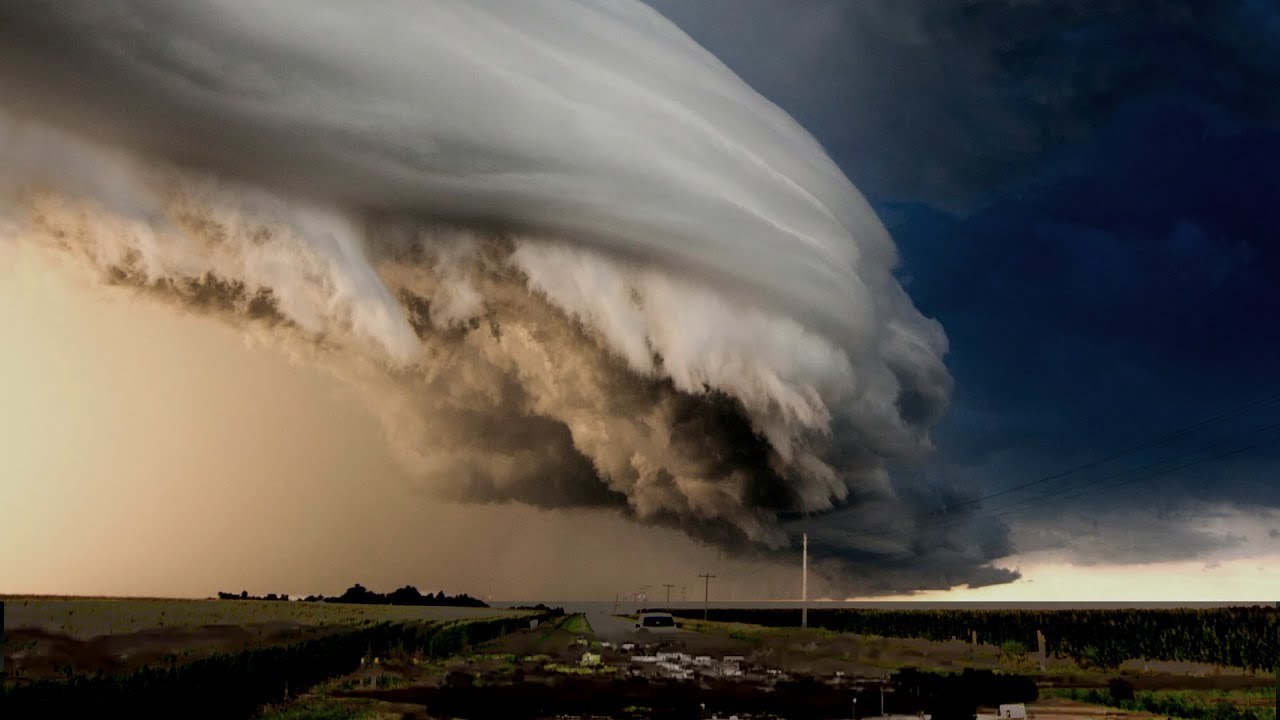
8. Clouds. Clouds tell us a lot about the sky. They tell us about thermal activity, possible thunderstorms, winds aloft, and other weather. They are well worth paying attention to and continuing to pay attention to after you take off. This is especially true late in the afternoon when a particularly enthusiastic cumulus cloud can turn into a cumulonimbus cloud and bring with it all the delights of a thunderstorm, including high winds, heavy rain, lightning, and more.
9. Rain. Rain makes your parachute heavier. And any water collecting in the chute after long exposure to precipitation can make the wing tail-heavy and a little closer to stall.
If you get caught in a little bit of rain while you’re flying, it’s not a disaster. However, heavy rain is to be avoided. It’s not only uncomfortable, but it also has a habit of coming with things like lightning and wind. Even flying under virga, the kind of rain that evaporates before it gets close to the ground, can be a turbulent ride.
10. Fronts. Weather fronts could easily have gone to the front of this list rather than the back. The movement of weather fronts are something that gets cooked into all of the weather forecast models that you will normally access. The big, color weather maps you see on the local news with moving weather fronts actually are a big deal.
Learn how to fly at https://www.easyflight.com
Roy's Powered Parachute Book: https://www.poweredparachutebook.com
#easyflight #flying #poweredparachutes #pilot #aviation #aircraft #lightsportaircraft #flighttraining #learningtofly #parachute #weather #wind
The basics I look at are wind speed, wind direction and directional consistency. With powered parachutes, the lower the wind speed, the better. A general rule is that if it’s so windy that you’re having a difficult time managing to lay out your wing, then it’s too windy for you to fly.
Wind direction is important because you always want to begin your takeoff by kiting your parachute into the wind. If you can’t do that, the risk of a rollover is real - and can be embarrassing as well as expensive. For a similar reason, a wind that is changing direction can offer a lot of challenge. If it’s changing quickly, fly another day. If it’s changing in a predictable manner and you’re watching a windsock upwind while you are getting ready to fly, you may be able to take off at just the right moment. Can be tricky, but experienced pilots do it when they really want to get into the air.
2. Winds Aloft. As soon as you get into the sky, you are beginning to deal with ‘winds aloft.’ We’re concerned with winds at treetop level to perhaps a couple of thousand feet. Our concerns are very similar to hot air balloon pilot concerns. And luckily, there are balloon pilot tricks that work for powered parachutes, too.
By the way, the one thing that is almost guaranteed is that whatever winds you are dealing with on the ground will increase once you begin flying. The best you can expect is for the winds to gradually increase with altitude. You certainly don’t want them to double at a hundred feet if you are taking off in a five-knot wind, though! Here are three ways to check for winds aloft.
3. Clear or Overcast. As the sun begins to rise, it heats the ground and that causes thermals. A sky clear of clouds is going to allow the sun to heat the ground that much faster, creating more and stronger thermals.
4. Temperature. Flying is an outdoor activity with the wind in your face. Temperature determines whether that wind is too hot, too cold or just right.
5. Density Altitude. Density altitude is the combination of altitude and temperature that can really degrade the performance of most any aircraft. The higher the altitude, the thinner the air. And the higher the temperature, the thinner the air. The combination of the two effects is called density altitude, or the altitude that your aircraft believes it is flying at.
It works out that the higher the (density) altitude, the poorer your wing, propeller, and engine perform. That translates into longer takeoff rolls, slower climbs, faster descents, and lower possible payloads.
6. Temperature/Dewpoint. If you’re planning a flight for the next morning and you see a low temperature/dewpoint spread, realize that you may be waiting awhile after sunrise before you can fly.
7. Visibility. I prefer to wait for three miles of visibility before I commit to the sky. A small hole in the fog is nothing but a sucker hole. Don’t let yourself get sucked into it. Flying in fog is worse than driving in fog since you don’t even have a yellow line to follow.
8. Clouds. Clouds tell us a lot about the sky. They tell us about thermal activity, possible thunderstorms, winds aloft, and other weather. They are well worth paying attention to and continuing to pay attention to after you take off. This is especially true late in the afternoon when a particularly enthusiastic cumulus cloud can turn into a cumulonimbus cloud and bring with it all the delights of a thunderstorm, including high winds, heavy rain, lightning, and more.
9. Rain. Rain makes your parachute heavier. And any water collecting in the chute after long exposure to precipitation can make the wing tail-heavy and a little closer to stall.
If you get caught in a little bit of rain while you’re flying, it’s not a disaster. However, heavy rain is to be avoided. It’s not only uncomfortable, but it also has a habit of coming with things like lightning and wind. Even flying under virga, the kind of rain that evaporates before it gets close to the ground, can be a turbulent ride.
10. Fronts. Weather fronts could easily have gone to the front of this list rather than the back. The movement of weather fronts are something that gets cooked into all of the weather forecast models that you will normally access. The big, color weather maps you see on the local news with moving weather fronts actually are a big deal.
Learn how to fly at https://www.easyflight.com
Roy's Powered Parachute Book: https://www.poweredparachutebook.com
#easyflight #flying #poweredparachutes #pilot #aviation #aircraft #lightsportaircraft #flighttraining #learningtofly #parachute #weather #wind
Palavra-chave: meteorologia manica
















![Twenty Fingers - Fala Na Minha Cara [Official Music Video]](https://i.ytimg.com/vi/dx0cbGh9L3U/hqdefault.jpg)













Comentários da comunidade
@robertworkman5620 YouTube · 04/03/2026
I fly a single seat powered parachute and totally agree with you on paying close attention to the weather. It’s always good to hear other powered parachute pilots comments on this subject.
@robertworkman5620 YouTube · 30/03/2021 · 👍 2
Great video. I have been flying a single seat powered parachute for 6 years and agree, weather needs to be the #1 focus of flying decisions.
@donshields4470 YouTube · 28/03/2021 · 👍 3
What can we say? EXCELLENT! Roy...you did a tremendous job on this great video! We cannot thank you enough. Hope to meet you one of these days. Have a great week.
@butchgeagan9768 YouTube · 11/04/2023 · 👍 1
Watched it aga, just as a refresher.
@timothymiller3639 YouTube · 29/07/2023 · 👍 1
Perfect. Great answers for having a safe flight. Roy, you always help me feel better about my, flight choices.
@pushrodify YouTube · 17/12/2024 · 👍 1
Excellent summary and very helpful.
@EvilKen01 YouTube · 06/01/2022 · 👍 1
This is a great video!
@pwatom22 YouTube · 07/11/2021
Great video.. thanks. I was thinking about a powered parachute trike but clearly the weather requirements are very tight. Lapsed ppl.
@EasyFlight YouTube · 25/03/2021 · 👍 1
Thanks so much for watching! Some of my favorite weather sites are below. I have them set to Dunnellon, Florida so that you can see how to set them up for your location. http://www.usairnet.com/cgi-bin/launch/code.cgi?Submit=Go&sta=KOCF&state=FL https://www.ryancarlton.com/KX35 https://www.windy.com https://www.ventusky.com https://www.wunderground.com And remember, if you would like to learn to fly powered parachutes, please visit https://www.easyflight.com
@andreweverts4291 YouTube · 26/03/2021 · 👍 3
Great videos, Roy! Here's a suggestion. I wish PPC dealers and wing manufacturers would make videos about the positive attributes and benefits of their products as well as explanations of different accessories available. No bashing of some other brand - just useful information about the brand they sell. I'm interested in the sport but find little on line to help me delineate one PPC or wing maker from another.