Mozambique's Lost Empire Left Its Silversmiths Still Working
Descrição
History never left 🔨 #travel #hidden gems #culture #Africa #Shorts
Ibo Island in Mozambique's Quirimbas Archipelago was once one of the Indian Ocean's most powerful Arab trading ports, and the artisan silversmiths working today in the shadow of three crumbling 16th-century Portuguese forts practice a craft passed down in an unbroken chain of four centuries, still melting coins and working by hand inside actual ruins. The dramatic core is the living quality of what geographic isolation preserved: not a reconstructed heritage display but a working tradition still producing things inside architecture nobody came to restore, while luxury island lodges on adjacent islets offer some of the Indian Ocean's most untouched reef diving. This is the travel story about a civilization that kept making things long after the empire that commissioned them disappeared.
Ibo Island is a historic island located off northern Mozambique's Cabo Delgado coast in the Quirimbas Archipelago.
Key Facts & History
Ancient Trading Hub: Originally an Arab trading post dating back to ~AD 600, trading in gold, ivory, and slaves.
Colonial Heritage: Became the second most important Portuguese outpost in Mozambique after Ilha de Moçambique. It was later largely abandoned, giving it a unique "colonial ghost town" atmosphere.
UNESCO Tentative Site: Nominated for UNESCO World Heritage status due to its Swahili-Portuguese architecture and heritage.
Top Attractions
Forts: Fort São João Batista (completed in 1791) is the largest, where local silversmiths craft hand-made silver filigree jewelry.
Colonial Architecture: Decaying mansions, wide avenues, and historic churches set against dense mangrove forests.
Tourist Information & Activities
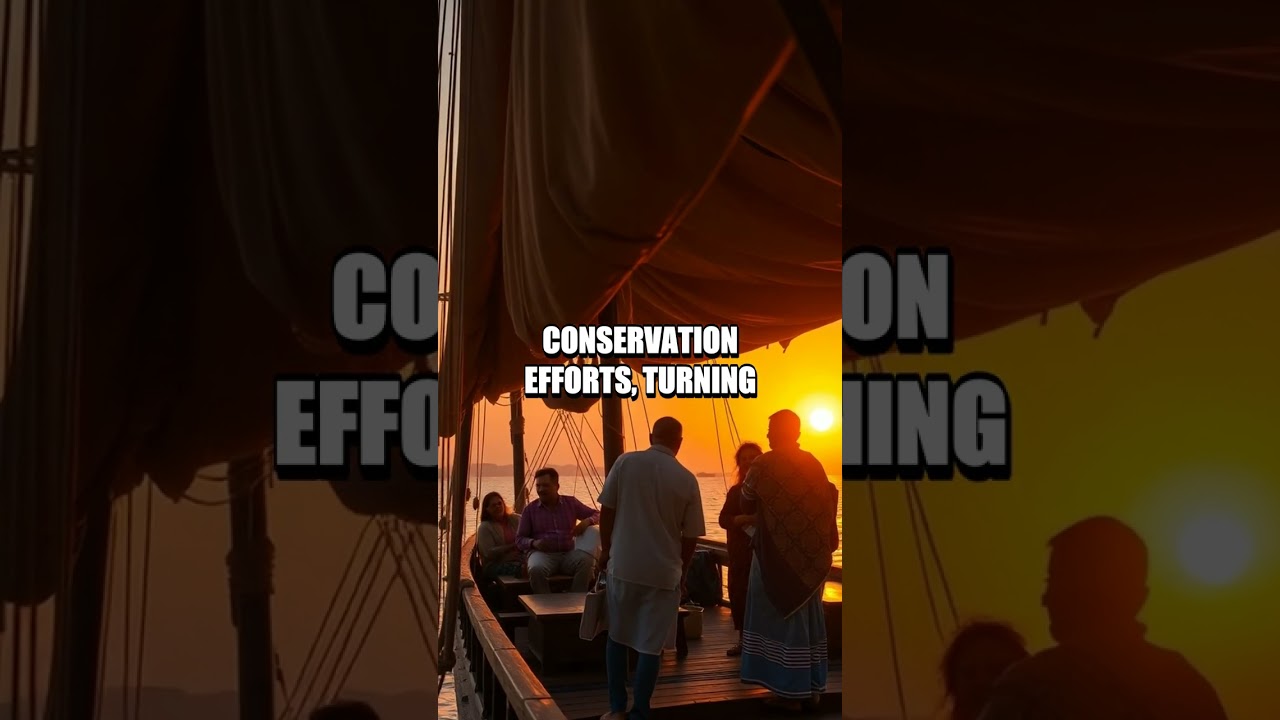
Activities: Traditional dhow sailing safaris, mangrove walks, sandbank picnics, and scuba diving/snorkeling in surrounding reefs.
Best Time to Visit: May to November (dry season), which offers cooler temperatures, clear water, and humpback whale watching (July–October).
Getting There: Reached via light aircraft charter or boat transfers from Pemba.
Travel Advisory: Due to regional security concerns in Cabo Delgado, check updated travel advisories before planning overland travel.
Ibo Island in Mozambique's Quirimbas Archipelago was once one of the Indian Ocean's most powerful Arab trading ports, and the artisan silversmiths working today in the shadow of three crumbling 16th-century Portuguese forts practice a craft passed down in an unbroken chain of four centuries, still melting coins and working by hand inside actual ruins. The dramatic core is the living quality of what geographic isolation preserved: not a reconstructed heritage display but a working tradition still producing things inside architecture nobody came to restore, while luxury island lodges on adjacent islets offer some of the Indian Ocean's most untouched reef diving. This is the travel story about a civilization that kept making things long after the empire that commissioned them disappeared.
Ibo Island is a historic island located off northern Mozambique's Cabo Delgado coast in the Quirimbas Archipelago.
Key Facts & History
Ancient Trading Hub: Originally an Arab trading post dating back to ~AD 600, trading in gold, ivory, and slaves.
Colonial Heritage: Became the second most important Portuguese outpost in Mozambique after Ilha de Moçambique. It was later largely abandoned, giving it a unique "colonial ghost town" atmosphere.
UNESCO Tentative Site: Nominated for UNESCO World Heritage status due to its Swahili-Portuguese architecture and heritage.
Top Attractions
Forts: Fort São João Batista (completed in 1791) is the largest, where local silversmiths craft hand-made silver filigree jewelry.
Colonial Architecture: Decaying mansions, wide avenues, and historic churches set against dense mangrove forests.
Tourist Information & Activities
Activities: Traditional dhow sailing safaris, mangrove walks, sandbank picnics, and scuba diving/snorkeling in surrounding reefs.
Best Time to Visit: May to November (dry season), which offers cooler temperatures, clear water, and humpback whale watching (July–October).
Getting There: Reached via light aircraft charter or boat transfers from Pemba.
Travel Advisory: Due to regional security concerns in Cabo Delgado, check updated travel advisories before planning overland travel.
Palavra-chave: historias de moçambique