MOZAMBIQUE: BEIRA: FLOOD DISASTER - FUEL SHORTAGES
Descrição
(8 Mar 2000) English/Nat
According to the World Food Programme, shipments of maize, beans and other food had reached 350,000 Mozambicans by Tuesday.
But the U-N body said a further 300,000 flood victims in more isolated areas had yet to be fed.
Hampering the aid effort out of Beira airport has been a shortage of fuel.
Pilots based there have complained that the airport authorities have their priorities wrong, often refuelling airliners ahead of the rescue helicopters.
Another cargo of aid arrives at Beira airport aboard a World Food Programme aircraft.
It's part of the massive relief effort which has been launched in the region following the floods which have decimated much of this central region of Mozambique.
Cargo planes ferried supplies to Beira and the capital, Maputo.
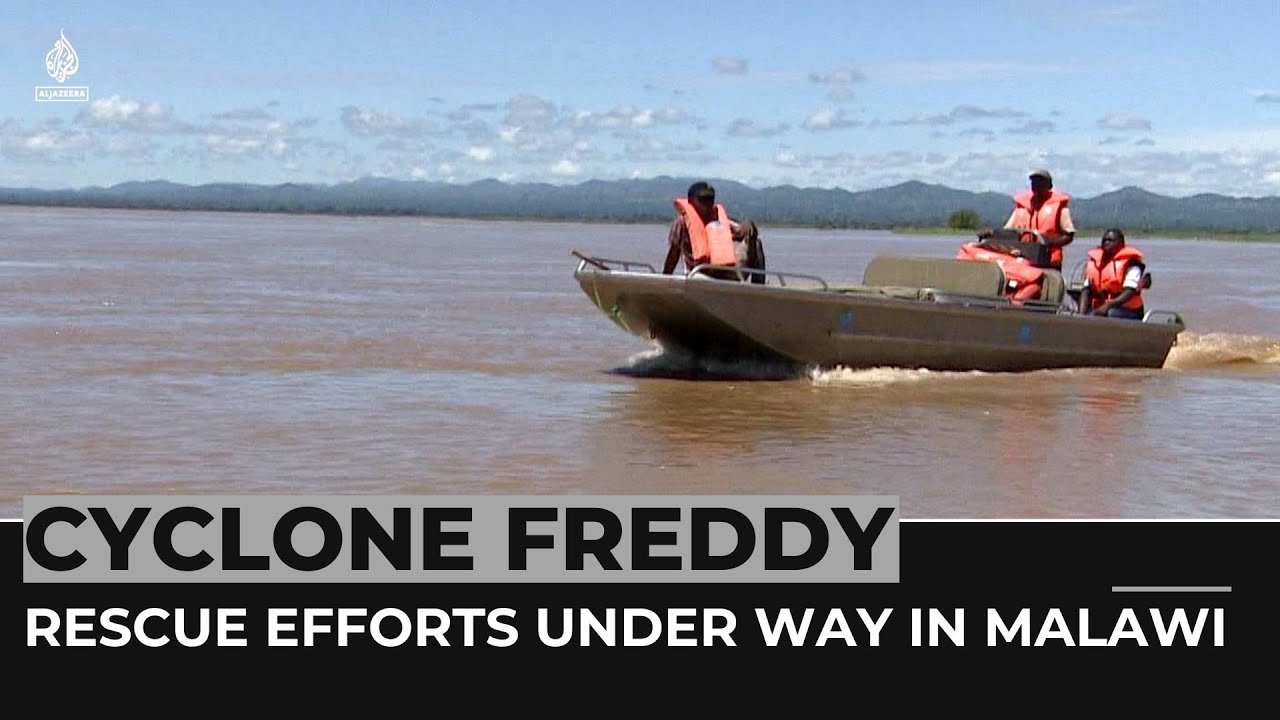
Along with the food supplies, more dinghies arrived which will be used to reach the many thousands of people still stranded in remote areas by the flood waters.
The rescue helicopters continue to fly their sorties in search of more survivors.
Another group of survivors were brought to the airport, just some of the one (m) million people either homeless or in desperate need of help.
Scores of international relief organisations and at least 16 Western and African governments have provided an estimated 103 (m) million U-S dollars in aid.
But that huge international effort is being hampered by the country's crumbling infrastructure.
At Beira airport, rescue helicopters were being held up thanks to a shortage of fuel and fuel trucks.
It was a cause of frustration for the pilots.
SOUNDBITE: (English)
"This helicopter is supposed to go and do a rescue mission and the LAM civilian aircrafts are getting fuel and we are just waiting and waiting."
SUPER CAPTION: Martin Vam Der Rif, South African Helicopter pilot
Others questioned the wisdom of the airport authority's priorities.
SOUNDBITE: (English)
"There is a problem with the fuel supply because it is necessary to make a decision what is more urgent to refuel the helicopters or to refuel the airliner."
SUPER CAPTION: Achim Friedl, Director of Border Police
Once the helicopters finally got off the ground they headed for the nearby Sava river.
They soon caught up with a group of British dinghies which were heading upstream.
It was a chance for the group which included members of the International Rescue Corps to take on more fuel.
Their progress had been held up because of the heat.
SOUNDBITE: (English)
"Our engines have been overheating because of the heat, which is something we didn't envisage. So we've had to stop on a regular basis which has slowed us down. We could have made our destination earlier today but we had to stop and cool the engines."
SUPER CAPTION: Steve Lambert, International Rescue Corps
The floodwaters that swept across the southeast African nation one month ago and surged again two weeks ago have ebbed, leaving hundreds confirmed dead.
Aid agency officials expect the death toll to rise into the thousands as the waters continue to recede.
Find out more about AP Archive: http://www.aparchive.com/HowWeWork
Twitter: https://twitter.com/AP_Archive
Facebook: https://www.facebook.com/APArchives
Instagram: https://www.instagram.com/APNews/
You can license this story through AP Archive: http://www.aparchive.com/metadata/youtube/593f57cab9e2b2def880460f4a1e9432
According to the World Food Programme, shipments of maize, beans and other food had reached 350,000 Mozambicans by Tuesday.
But the U-N body said a further 300,000 flood victims in more isolated areas had yet to be fed.
Hampering the aid effort out of Beira airport has been a shortage of fuel.
Pilots based there have complained that the airport authorities have their priorities wrong, often refuelling airliners ahead of the rescue helicopters.
Another cargo of aid arrives at Beira airport aboard a World Food Programme aircraft.
It's part of the massive relief effort which has been launched in the region following the floods which have decimated much of this central region of Mozambique.
Cargo planes ferried supplies to Beira and the capital, Maputo.
Along with the food supplies, more dinghies arrived which will be used to reach the many thousands of people still stranded in remote areas by the flood waters.
The rescue helicopters continue to fly their sorties in search of more survivors.
Another group of survivors were brought to the airport, just some of the one (m) million people either homeless or in desperate need of help.
Scores of international relief organisations and at least 16 Western and African governments have provided an estimated 103 (m) million U-S dollars in aid.
But that huge international effort is being hampered by the country's crumbling infrastructure.
At Beira airport, rescue helicopters were being held up thanks to a shortage of fuel and fuel trucks.
It was a cause of frustration for the pilots.
SOUNDBITE: (English)
"This helicopter is supposed to go and do a rescue mission and the LAM civilian aircrafts are getting fuel and we are just waiting and waiting."
SUPER CAPTION: Martin Vam Der Rif, South African Helicopter pilot
Others questioned the wisdom of the airport authority's priorities.
SOUNDBITE: (English)
"There is a problem with the fuel supply because it is necessary to make a decision what is more urgent to refuel the helicopters or to refuel the airliner."
SUPER CAPTION: Achim Friedl, Director of Border Police
Once the helicopters finally got off the ground they headed for the nearby Sava river.
They soon caught up with a group of British dinghies which were heading upstream.
It was a chance for the group which included members of the International Rescue Corps to take on more fuel.
Their progress had been held up because of the heat.
SOUNDBITE: (English)
"Our engines have been overheating because of the heat, which is something we didn't envisage. So we've had to stop on a regular basis which has slowed us down. We could have made our destination earlier today but we had to stop and cool the engines."
SUPER CAPTION: Steve Lambert, International Rescue Corps
The floodwaters that swept across the southeast African nation one month ago and surged again two weeks ago have ebbed, leaving hundreds confirmed dead.
Aid agency officials expect the death toll to rise into the thousands as the waters continue to recede.
Find out more about AP Archive: http://www.aparchive.com/HowWeWork
Twitter: https://twitter.com/AP_Archive
Facebook: https://www.facebook.com/APArchives
Instagram: https://www.instagram.com/APNews/
You can license this story through AP Archive: http://www.aparchive.com/metadata/youtube/593f57cab9e2b2def880460f4a1e9432
Palavra-chave: cidade da beira em moçambique