
Madagascar EMERGENCY ALERT—Cyclone Gazani Erases Entire Villages As Wind Hits 240 km/h.
Descrição
On Tuesday, February 10th, 2026, Madagascar's east coast wasn't bracing for a storm—it was already inside one. Less than two weeks earlier, Cyclone Fytia had torn through the northwest, killing 14 people and displacing over 31,000. The ground was still saturated, the shelters still full, and the recovery hadn't even started when forecasters spotted a new system rapidly intensifying in the Indian Ocean. Cyclone Gezani went from a moderate tropical storm to an intense tropical cyclone in just 30 hours—and it was aimed directly at Toamasina, the country's second-largest city and its main port.
When Gezani made landfall on Tuesday evening with wind gusts exceeding 250 km/h, it didn't arrive like weather. It arrived like demolition. "It's monstrous," one Toamasina resident told AFP when communications briefly returned. "Everything is devastated, roofs have been blown off, floors are flooded, the walls of solid houses have collapsed. And I'm talking about the nice neighbourhoods, with well-built houses." That last detail is the one that hits hardest—because if the solid homes collapsed, the ones built from wood and corrugated iron didn't stand a chance.
By the time the winds dropped enough to assess the damage, the numbers told a story that kept getting worse with every update. At least 59 dead across Madagascar. Over 800 injured. More than 25,000 homes destroyed, another 27,000 flooded, and 16,000 people displaced into 48 emergency sites—many of them overcrowded, without clean water, and sheltering an estimated 6,000 children. The WFP's country director returned from Toamasina and said what the footage already showed: "The scale of the destruction is really overwhelming." Authorities confirmed that 75 to 80 percent of the city's infrastructure had been damaged or destroyed. Electricity was running at roughly five percent. The country's main commercial port—the gateway for imports, exports, and aid—was in ruins.
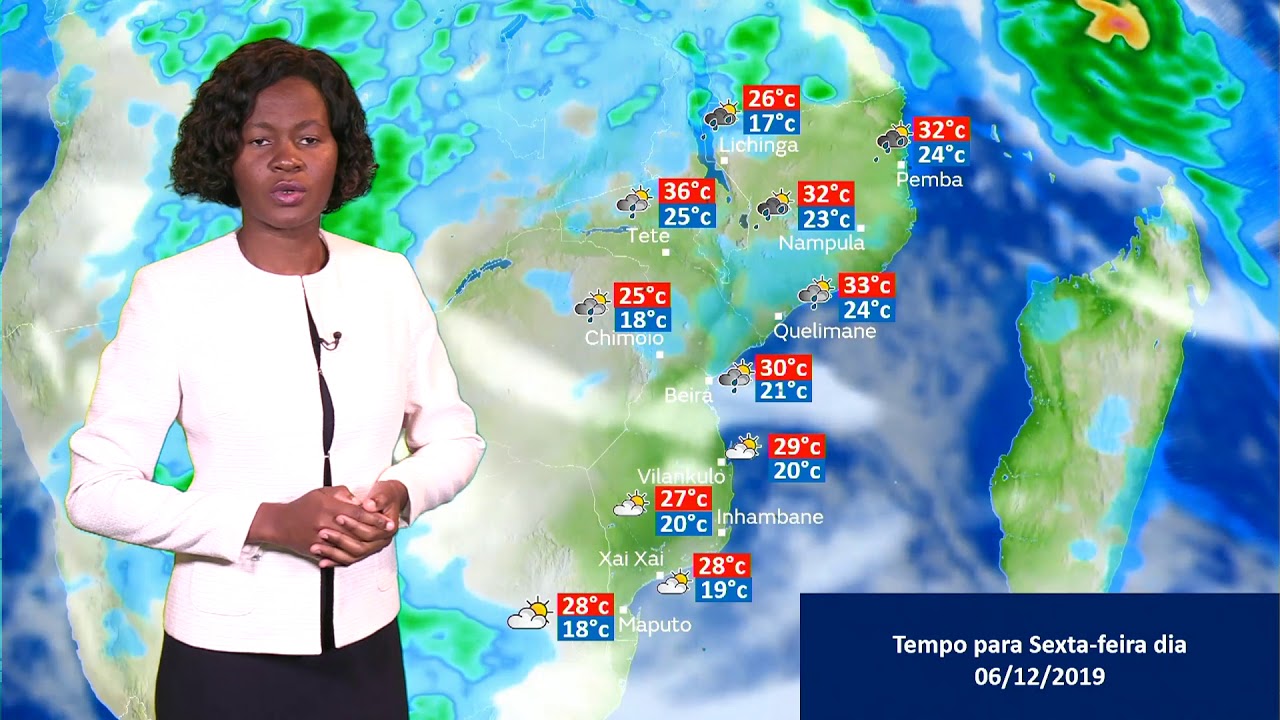
And then came the part that turns a disaster into a crisis with no clear exit: Gezani didn't just hit and leave. After crossing Madagascar, the cyclone moved into the Mozambique Channel, re-strengthened, briefly reached Category 3 intensity again just 60 kilometers off Inhambane, and then curved back east—raising the threat of a possible second landfall on Madagascar's southwest coast. One storm, two countries, and the possibility it might come back for a second pass.
Nationally, the scale is staggering: over 400,000 people now facing acute humanitarian needs, according to the UN. Before either cyclone hit, 1.57 million Madagascans were already food insecure, with 84,000 at emergency hunger levels—and this is peak lean season, when food stocks are at their lowest. The WFP's cyclone response faces an $18 million funding gap over the next six months. France pledged food and rescue teams from Réunion. China offered 100 million yuan. The UN released $3 million in emergency funds. But in Toamasina, families are still sleeping in displacement sites with no power, no clean water, and roofs that no longer exist—while the cyclone season has barely started.
That's the Madagascar story in February 2026: not one storm, but two in two weeks—hitting an island where millions already live in poverty, where shelter means something different than it does in wealthier nations, and where a cyclone season that typically brings six storms a year is just getting going. The forecasters at Météo-France called Gezani's landfall one of the most intense recorded near Toamasina in the satellite era. And the question no one can answer yet is the simplest one: with months of cyclone season still ahead, what happens when the next one forms?
For business inquiries, copyright concerns, or other questions, please reach out to us at: [email protected]
Copyright Disclaimer: - Under section 107 of the copyright Act 1976, allowance is made for FAIR USE for purpose such as criticism, comment, news reporting, teaching, scholarship and research. Fair use is a use permitted by copyright statues that might otherwise be infringing. Non-Profit, educational or personal use tips the balance in favor of FAIR USE. This video may include copyrighted material that has not been explicitly authorized by the copyright owner(s). However, we believe that our use qualifies as fair use under applicable copyright laws. If you are the rights holder and believe otherwise, please contact us, and we will take the necessary steps to resolve the issue.
Palavra-chave: meteorologia inhambane






















Comentários
@LorenzosDisasterForecast · 18/02/2026 · 👍 1
Subscribe to help us reach 1k Subs, so we can continue bringing these news to you for free. Thanks for the support!