
JUST IN: Cyclone Gezani DEVASTATES — 250 km/h Winds FLATTEN Homes as 575,000 TRAPPED in Toamasina!
Descrição
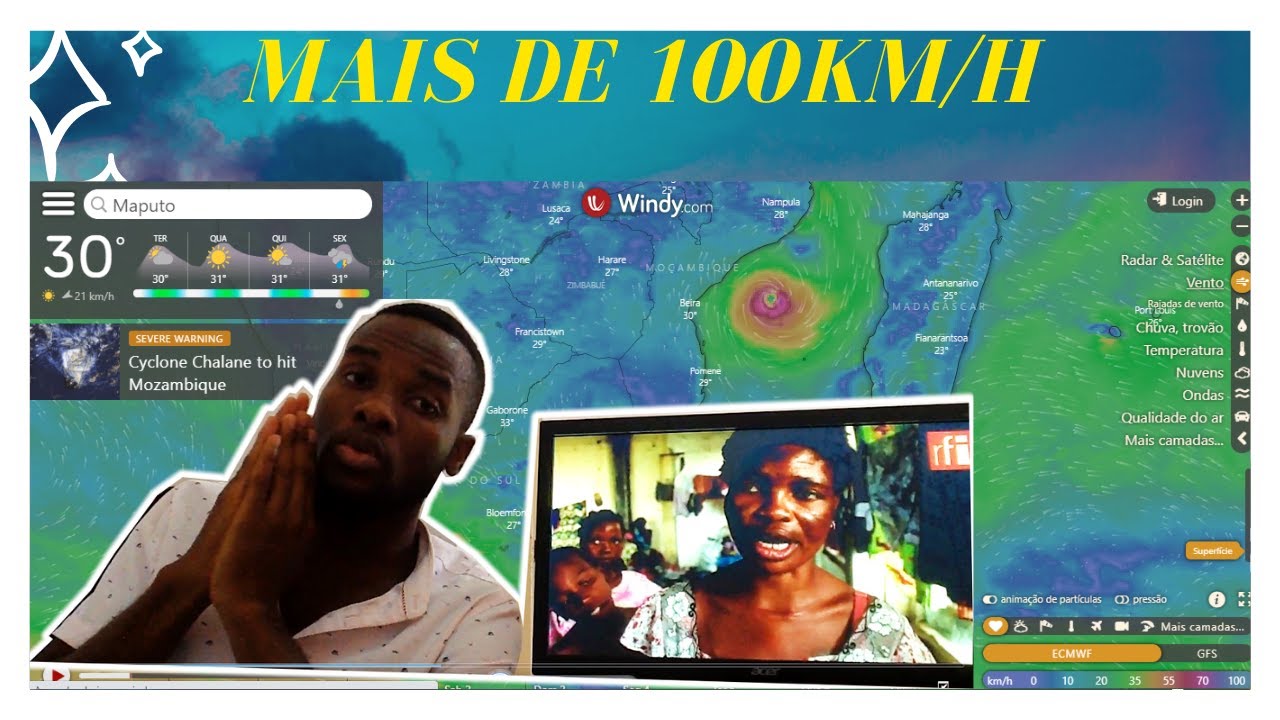
Tropical Storm Gezani intensifies over the warm waters of the Southwest Indian Ocean, moving westward near Madagascar in what meteorologists are calling a developing weather emergency. This comprehensive analysis covers the latest developments as Gezani becomes the seventh named storm system of the season.
Current conditions show Gezani gaining strength over warm ocean waters, with authorities confirming no immediate threat to South Africa while emphasizing the need for continued vigilance. The storm's path near Madagascar raises concerns for Eastern regions that typically experience the first impact of Indian Ocean weather systems.
Meteorologists warn that moderate tropical storms can rapidly escalate, causing severe flooding, power outages, and dangerous sea conditions across island regions. Historical data shows these systems often regain strength after crossing land masses, particularly when reentering warmer waters.
The Southwest Indian Ocean remains one of the world's most active cyclone basins, with this season demonstrating the unpredictable nature of tropical weather patterns. Emergency services across the region face ongoing challenges due to difficult terrain and limited access routes.
Stay informed on this developing weather situation as conditions continue evolving rapidly. Subscribe for the latest updates on tropical storm activity and weather emergencies across the Indian Ocean region!
#TropicalStorm #Madagascar #IndianOcean #WeatherUpdate #CycloneSeason
This content is provided for educational and informational purposes regarding tropical weather systems. Information presented is based on available meteorological data and may be subject to updates as conditions develop.
Current conditions show Gezani gaining strength over warm ocean waters, with authorities confirming no immediate threat to South Africa while emphasizing the need for continued vigilance. The storm's path near Madagascar raises concerns for Eastern regions that typically experience the first impact of Indian Ocean weather systems.
Meteorologists warn that moderate tropical storms can rapidly escalate, causing severe flooding, power outages, and dangerous sea conditions across island regions. Historical data shows these systems often regain strength after crossing land masses, particularly when reentering warmer waters.
The Southwest Indian Ocean remains one of the world's most active cyclone basins, with this season demonstrating the unpredictable nature of tropical weather patterns. Emergency services across the region face ongoing challenges due to difficult terrain and limited access routes.
Stay informed on this developing weather situation as conditions continue evolving rapidly. Subscribe for the latest updates on tropical storm activity and weather emergencies across the Indian Ocean region!
#TropicalStorm #Madagascar #IndianOcean #WeatherUpdate #CycloneSeason
This content is provided for educational and informational purposes regarding tropical weather systems. Information presented is based on available meteorological data and may be subject to updates as conditions develop.
Palavra-chave: cyclone tropical gezani



























![Esta é a Dança Tradicional Moçambicana mais conhecida[ TUFO]](https://i.ytimg.com/vi/nB3kZ7xsJwY/maxresdefault.jpg)

Comentários da comunidade
@jelehaamat4666 YouTube · 12/02/2026 · 👍 2
Omg, stay alerts, stay safe , avoid dangerous zone please. Stay alive. Big condolences from Singapore 🇸🇬.
@alinesobieray2436 YouTube · 12/02/2026 · 👍 1
😮praying for quick recovery such an onslot.
@pelagiajones7963 YouTube · 13/02/2026
Take care 🙏🏽
@terrymoore861 YouTube · 13/02/2026
With the estimated new location of the equator running through Northern Mexico,The Gambia and Kenya and Townsville, Australia, this explains the current changes in climate patterns. With considerably less tree cover in line with the current equator, without massive tree cover, the historic control of world weather, the greater ocean exposure and the lack of tree cover to absorb the sun's radiation, far more moisture is evaporating from the oceans and less tree cover remains to seed the rainfall as the sun hits far less forest. Historically, trees evaporated mist on exposure to the sun rise, seeding the clouds and helped to retain tropical rains around the old equatorial position.Equally, in the north, as the land mass of Russia approaches the geographic north and the Arctic ocean sinks south, since land mass retains more and more cold (and the warm Atlantic ocean fails to warm the geographic north), the generated lower cold temperatures are increasing in Russia, Northern China, Canada and North America. In the south, the northern tip of Chile and Argentina and increasingly further north, are seeing falling temperatures. As more cloud is generated around the new location of the equator, layered clouds are generated as these clouds move north and south of the new equatorial areas, creating towering cloud cover, which then cause the higher carrying capacity of cloud, the cause of massive increases in rainfall now experienced worldwide. Just look at the increased and altering location of massive rainfall figures, the huge increase and decrease in temperature and the change in the location of drought areas, as well as the vast changes in the location of north and south jet streams. A few extra molecules of CO2 are not the cause of extreme climate change. THE POLE SHIFT IS THE CAUSE. CO2 is not the cause of the increase in earthquakes and volcanic eruptions. THE POLE SHIFT IS THE CAUSE.
@m.jdietz1724 YouTube · 11/02/2026 · 👍 2
The People Help People More and Praying for Them to live life With plenty not scarcity but Deliverance From The Most High Father G_D of Abraham Benefit The Sadness turn Around From Evil and Turn From Sin in Yeshua Salvation and Forgiven And Weather the Storms Turn it Around OUR G_D Isaiah 61 Be Set Free And Mighty G_d Miracles
@strangedreamer YouTube · 12/02/2026
Weather wars.
@Randhir8-h8r YouTube · 15/02/2026
Bigger the human population More pollution More and bigger storms