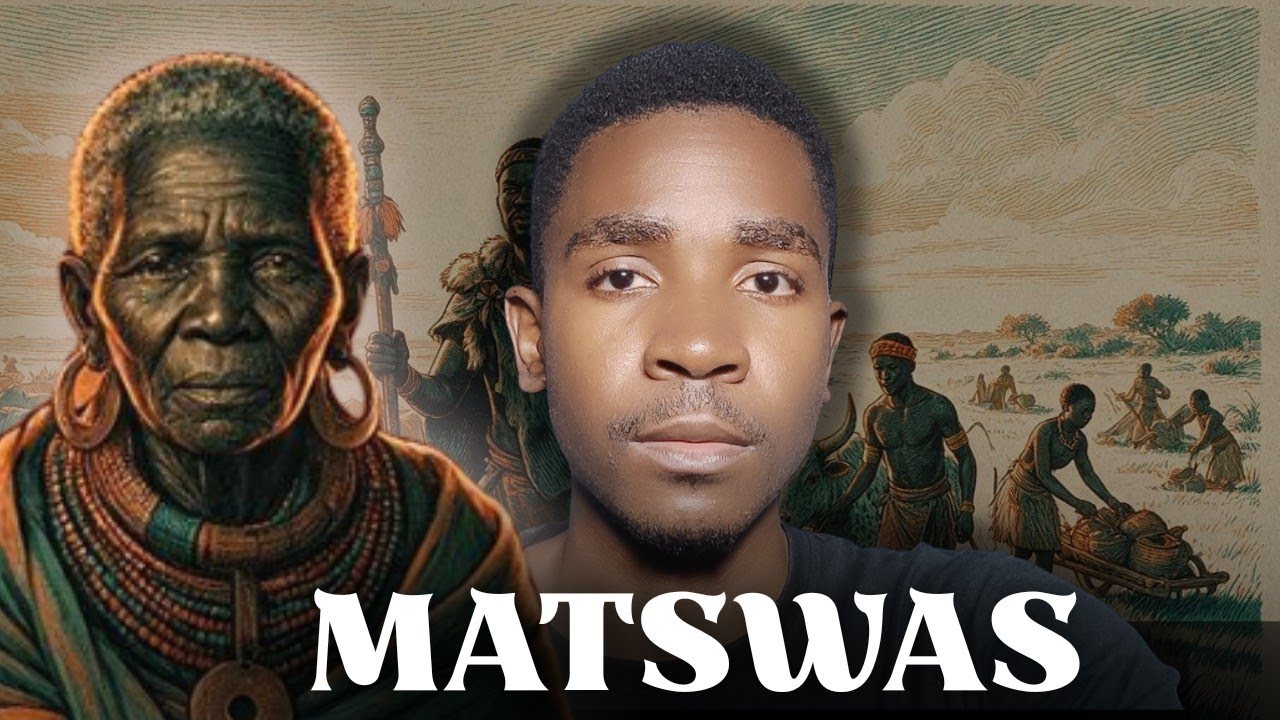
Facts about Yoruba People 2 #yorubahistory #historytok #history #historicalfacts #youtubeshorts
Descrição
Here’s a longer version with more cinematic flow and detail, while avoiding repetitive statements:
Along the East Coast of Africa, stretching from Somalia in the north to Mozambique in the south, the ruins of well over fifty towns and cities can be found.
Spread across this vast coastal region, these remains point to a long and significant history of urban settlement. From one location to another, the ruins mark places where towns and cities once flourished, creating a historical landscape that extends across much of the East Coast.
Their period of flourishing covers centuries.
Beginning in the ninth century AD, these towns and cities developed and flourished along the coastline, continuing through successive centuries until the sixteenth century AD.
For hundreds of years, this stretch of Africa was therefore marked by the presence of numerous towns and cities, distributed from the northern reaches of Somalia to the southern reaches of Mozambique.
Today, their ruins provide a visible connection to that long period of history.
The remains are separated by distance, yet together they form a much larger picture: well over fifty towns and cities spread across the East Coast, representing centuries of urban life between the ninth and sixteenth centuries AD.
Seen individually, each set of ruins marks the remains of a town or city.
Seen together, they reveal the extraordinary geographic extent of these settlements, following the East Coast from Somalia to Mozambique.
It is a landscape shaped by centuries of flourishing towns and cities—more than fifty known through their surviving ruins, and extending across a coastline that spans from the ninth century AD to the sixteenth.
Saturday 3:41 AM
Here are eight interesting facts about the traditional Yoruba culture:
1. According to Yoruba mythology, all Yoruba people are descendants from the hero Odua or Oduduwa.
2. The language of the Yorubas, known as Yoruba, belongs to the Congo-Kordofanian language family. The language has many dialects, but most of its speakers are able to understand each other.
3. The Yoruba homeland is located in west Africa, with most Yoruba living in Nigeria. There are also some scattered groups in small neighbouring countries, Togo and Benin.
4. The Yoruba are one of the largest ethnic groups in Africa.
5. The Yoruba are a very sociable and expressive people who commemorate major events with colorful festivals and celebrations. Weddings, naming ceremonies, funerals and even housewarming parties are celebrated in a lavish and ceremonial nature.
6. As many as 20 percent of the Yoruba still practice the traditional religion of their ancestors. A large number of modern Yoruba also combine traditional Yoruba beliefs with modern day religions such as Islam and Christianity.
**7. **About 75 percent of the Yoruba men are farmers, producing food crops for their domestic needs. Women help plant yams and harvest corn, beans, and cotton.
8. The Yoruba present the highest rate of twin births in the world. This may be because of high consumption of a specific type of yam containing a natural phytoestrogen which may stimulate the ovaries to release an egg from each side. Twins are very important for the Yoruba; they are given special names and inspire wooden sculptures. #historytok #yorubahistory #yorubaculture #historicalfacts #culture #yorubatradition
Along the East Coast of Africa, stretching from Somalia in the north to Mozambique in the south, the ruins of well over fifty towns and cities can be found.
Spread across this vast coastal region, these remains point to a long and significant history of urban settlement. From one location to another, the ruins mark places where towns and cities once flourished, creating a historical landscape that extends across much of the East Coast.
Their period of flourishing covers centuries.
Beginning in the ninth century AD, these towns and cities developed and flourished along the coastline, continuing through successive centuries until the sixteenth century AD.
For hundreds of years, this stretch of Africa was therefore marked by the presence of numerous towns and cities, distributed from the northern reaches of Somalia to the southern reaches of Mozambique.
Today, their ruins provide a visible connection to that long period of history.
The remains are separated by distance, yet together they form a much larger picture: well over fifty towns and cities spread across the East Coast, representing centuries of urban life between the ninth and sixteenth centuries AD.
Seen individually, each set of ruins marks the remains of a town or city.
Seen together, they reveal the extraordinary geographic extent of these settlements, following the East Coast from Somalia to Mozambique.
It is a landscape shaped by centuries of flourishing towns and cities—more than fifty known through their surviving ruins, and extending across a coastline that spans from the ninth century AD to the sixteenth.
Saturday 3:41 AM
Here are eight interesting facts about the traditional Yoruba culture:
1. According to Yoruba mythology, all Yoruba people are descendants from the hero Odua or Oduduwa.
2. The language of the Yorubas, known as Yoruba, belongs to the Congo-Kordofanian language family. The language has many dialects, but most of its speakers are able to understand each other.
3. The Yoruba homeland is located in west Africa, with most Yoruba living in Nigeria. There are also some scattered groups in small neighbouring countries, Togo and Benin.
4. The Yoruba are one of the largest ethnic groups in Africa.
5. The Yoruba are a very sociable and expressive people who commemorate major events with colorful festivals and celebrations. Weddings, naming ceremonies, funerals and even housewarming parties are celebrated in a lavish and ceremonial nature.
6. As many as 20 percent of the Yoruba still practice the traditional religion of their ancestors. A large number of modern Yoruba also combine traditional Yoruba beliefs with modern day religions such as Islam and Christianity.
**7. **About 75 percent of the Yoruba men are farmers, producing food crops for their domestic needs. Women help plant yams and harvest corn, beans, and cotton.
8. The Yoruba present the highest rate of twin births in the world. This may be because of high consumption of a specific type of yam containing a natural phytoestrogen which may stimulate the ovaries to release an egg from each side. Twins are very important for the Yoruba; they are given special names and inspire wooden sculptures. #historytok #yorubahistory #yorubaculture #historicalfacts #culture #yorubatradition
Palavra-chave: historias de moçambique