
Discover Madagascar Biodiversity & Adventure Paradise
Descrição
Madagascar: The Island of Unique Biodiversity
Introduction: Madagascar, the world’s fourth-largest island, is located off the southeastern coast of Africa in the Indian Ocean. Known for its incredible biodiversity and unique ecosystems, Madagascar is a treasure trove of natural wonders. The island’s isolation from the mainland has allowed its flora and fauna to evolve in remarkable ways, making it a hotspot for biodiversity and endemism. This island nation is also rich in cultural heritage, with a history that reflects a blend of African, Asian, and European influences.
Geographical Features:
Location and Size: Madagascar is situated approximately 400 kilometers (250 miles) off the coast of Mozambique. The island covers an area of about 592,800 square kilometers (228,900 square miles), making it the fourth-largest island in the world.
Topography: The island’s landscape is diverse, featuring coastal plains, highland plateaus, and mountain ranges. The central highlands are dominated by the Ankaratra and Tsaratanana massifs, with the highest peak being Maromokotro at 2,876 meters (9,436 feet).
Climate: Madagascar has a tropical climate with distinct wet and dry seasons. The eastern coast experiences heavy rainfall, while the western and southern regions are drier.
Biodiversity and Ecosystems:
Unique Flora and Fauna: Madagascar is home to an astonishing array of plant and animal species, many of which are found nowhere else on Earth. Over 90% of its wildlife is endemic, including lemurs, chameleons, and the fossa.
Lemurs: Lemurs are perhaps the most famous inhabitants of Madagascar. There are over 100 species and subspecies of lemurs, ranging from the tiny mouse lemur to the large indri. These primates are a symbol of Madagascar’s unique biodiversity.
Baobabs and Rainforests: The island’s flora includes iconic baobab trees and lush rainforests. The spiny forests of the southwest and the rainforests of the east are particularly notable for their ecological significance.
Cultural and Historical Significance:
Early Inhabitants: Madagascar was first settled by Austronesian peoples from Southeast Asia around 1,500 to 2,000 years ago. Later, Bantu migrants from Africa arrived, contributing to the island’s diverse cultural heritage.
Colonial History: The island was colonized by the French in the late 19th century and gained independence in 1960. French influence is still evident in the country’s language, cuisine, and architecture.
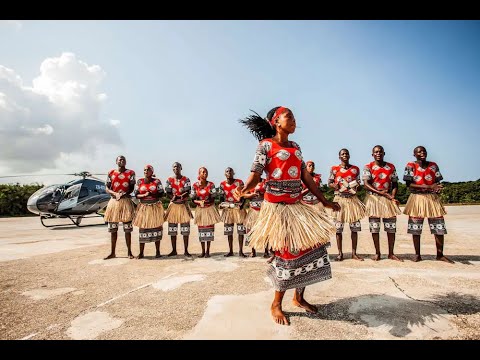
Traditional Practices: The Malagasy people have a rich cultural heritage, with traditions such as the famadihana (turning of the bones) ceremony and vibrant music and dance forms.
Tourism and Activities:
National Parks: Madagascar boasts numerous national parks and protected areas, such as Andasibe-Mantadia National Park, home to the indri lemur, and Isalo National Park, known for its dramatic sandstone formations.
Beaches and Marine Life: The island’s coastline offers stunning beaches and vibrant coral reefs. Nosy Be and Île Sainte-Marie are popular destinations for snorkeling, diving, and whale watching.
Adventure and Exploration: Visitors can explore Madagascar’s diverse landscapes through activities such as hiking, bird watching, and visiting traditional villages.
Environmental Conservation:
Conservation Challenges: Madagascar faces significant environmental challenges, including deforestation, habitat loss, and climate change. Conservation efforts are crucial to protect its unique biodiversity.
Sustainable Tourism: Initiatives to promote sustainable tourism aim to balance economic development with environmental preservation. Eco-friendly lodges and community-based tourism projects are part of these efforts.
Visitor Experience:
Best Time to Visit: The best time to visit Madagascar is during the dry season from April to November, when the weather is more favorable for outdoor activities.
Travel Tips: Visitors should be prepared for varying conditions and bring essentials such as insect repellent, sunscreen, and sturdy footwear. It’s also advisable to learn a few basic phrases in Malagasy or French to enhance the travel experience.
Conclusion: Madagascar is a land of unparalleled natural beauty and cultural richness. Its unique biodiversity, diverse landscapes, and vibrant traditions make it a must-visit destination for nature enthusiasts and adventure seekers. Whether you’re exploring the rainforests, encountering lemurs, or relaxing on pristine beaches, Madagascar offers an unforgettable journey into one of the world’s most extraordinary islands.
#madagascar #biodiversity #adventure
Introduction: Madagascar, the world’s fourth-largest island, is located off the southeastern coast of Africa in the Indian Ocean. Known for its incredible biodiversity and unique ecosystems, Madagascar is a treasure trove of natural wonders. The island’s isolation from the mainland has allowed its flora and fauna to evolve in remarkable ways, making it a hotspot for biodiversity and endemism. This island nation is also rich in cultural heritage, with a history that reflects a blend of African, Asian, and European influences.
Geographical Features:
Location and Size: Madagascar is situated approximately 400 kilometers (250 miles) off the coast of Mozambique. The island covers an area of about 592,800 square kilometers (228,900 square miles), making it the fourth-largest island in the world.
Topography: The island’s landscape is diverse, featuring coastal plains, highland plateaus, and mountain ranges. The central highlands are dominated by the Ankaratra and Tsaratanana massifs, with the highest peak being Maromokotro at 2,876 meters (9,436 feet).
Climate: Madagascar has a tropical climate with distinct wet and dry seasons. The eastern coast experiences heavy rainfall, while the western and southern regions are drier.
Biodiversity and Ecosystems:
Unique Flora and Fauna: Madagascar is home to an astonishing array of plant and animal species, many of which are found nowhere else on Earth. Over 90% of its wildlife is endemic, including lemurs, chameleons, and the fossa.
Lemurs: Lemurs are perhaps the most famous inhabitants of Madagascar. There are over 100 species and subspecies of lemurs, ranging from the tiny mouse lemur to the large indri. These primates are a symbol of Madagascar’s unique biodiversity.
Baobabs and Rainforests: The island’s flora includes iconic baobab trees and lush rainforests. The spiny forests of the southwest and the rainforests of the east are particularly notable for their ecological significance.
Cultural and Historical Significance:
Early Inhabitants: Madagascar was first settled by Austronesian peoples from Southeast Asia around 1,500 to 2,000 years ago. Later, Bantu migrants from Africa arrived, contributing to the island’s diverse cultural heritage.
Colonial History: The island was colonized by the French in the late 19th century and gained independence in 1960. French influence is still evident in the country’s language, cuisine, and architecture.
Traditional Practices: The Malagasy people have a rich cultural heritage, with traditions such as the famadihana (turning of the bones) ceremony and vibrant music and dance forms.
Tourism and Activities:
National Parks: Madagascar boasts numerous national parks and protected areas, such as Andasibe-Mantadia National Park, home to the indri lemur, and Isalo National Park, known for its dramatic sandstone formations.
Beaches and Marine Life: The island’s coastline offers stunning beaches and vibrant coral reefs. Nosy Be and Île Sainte-Marie are popular destinations for snorkeling, diving, and whale watching.
Adventure and Exploration: Visitors can explore Madagascar’s diverse landscapes through activities such as hiking, bird watching, and visiting traditional villages.
Environmental Conservation:
Conservation Challenges: Madagascar faces significant environmental challenges, including deforestation, habitat loss, and climate change. Conservation efforts are crucial to protect its unique biodiversity.
Sustainable Tourism: Initiatives to promote sustainable tourism aim to balance economic development with environmental preservation. Eco-friendly lodges and community-based tourism projects are part of these efforts.
Visitor Experience:
Best Time to Visit: The best time to visit Madagascar is during the dry season from April to November, when the weather is more favorable for outdoor activities.
Travel Tips: Visitors should be prepared for varying conditions and bring essentials such as insect repellent, sunscreen, and sturdy footwear. It’s also advisable to learn a few basic phrases in Malagasy or French to enhance the travel experience.
Conclusion: Madagascar is a land of unparalleled natural beauty and cultural richness. Its unique biodiversity, diverse landscapes, and vibrant traditions make it a must-visit destination for nature enthusiasts and adventure seekers. Whether you’re exploring the rainforests, encountering lemurs, or relaxing on pristine beaches, Madagascar offers an unforgettable journey into one of the world’s most extraordinary islands.
#madagascar #biodiversity #adventure
Palavra-chave: primeiros habitantes de moçambique




![Twenty Fingers - Engarrafado Feliz [Official Music Video]](https://i.ytimg.com/vi/pXs1gkffkOI/hqdefault.jpg)



















![[PASSO-A-PASSO] Geoprocessamento e Analise de Zonas Agro Ecologicas de Mocambique](https://i.ytimg.com/vi/NThg3RB47sI/hqdefault.jpg)