
D-Day Hung On One Weatherman's Call | Here's What Happened
Descrição
One man. No military rank. No uniform. No authority to give a single order.
On June 4th, 1944, Scottish meteorologist James Stagg walked into a room full
of generals and told General Eisenhower something the Supreme Commander
didn't want to hear — and then told him something that changed everything.
━━━━━━━━━━━━━━━━━━━━━━━━
📌 IN THIS VIDEO:
• Who was James Stagg — the only civilian in Eisenhower's command room
• Why the weather was the single variable nobody could control
• The crisis of June 3-4: three forecasting teams, three conflicting predictions
• The 9:15 PM briefing — and the sentence that defined Stagg's life
• What Eisenhower was actually weighing before he said "Okay. Let's go."
• The German parallel: Karl-Adolf Leontes predicted storm, Rommel went home
• What really happened on June 5th — the day the invasion was supposed to occur
• Eisenhower's letter written before the landings, forgotten in his jacket pocket
• Was the decision justified? Both sides of an argument that's never been resolved
🎬 CHAPTERS:
0:00 — Introduction: The Weight of a Weather Decision
01:17 — James Stagg: A Civilian Among Generals
2:45 — Operation Overlord: The One Variable Nobody Could Control
5:20 — What "Good Weather" Actually Meant
7:30 — Stagg Appointed: Coordinating Three Competing Teams
10:00 — The German Side: Leontes, Rommel, and a False Sense of Security
13:15 — June 1-3: The Forecasts Darken
17:40 — "Wholly Unsuitable": The Postponement of June 4th
21:10 — The Gap Nobody Expected
24:30 — The 9:15 PM Briefing: "I Cannot Guarantee More Than 36 Hours"
28:00 — Eisenhower at the Window
30:20 — The Armada Moves
33:45 — June 6th: The Airborne Drop and the Beaches
36:00 — What June 5th Actually Looked Like
39:20 — Eisenhower's Letter
41:30 — The Case For — and the Case Against
46:00 — The Second Storm and the Narrow Margin
48:15 — What Happened to Stagg, Rommel, and Leontes
51:00 — "The Best Information Available"
📊 KEY FACTS:
• Stagg was a civilian meteorologist with no military rank — the only non-uniformed person in Eisenhower's command briefings
• The invasion required simultaneous alignment of 5 conditions: wind, sea state, cloud ceiling, moonlight, and tidal timing
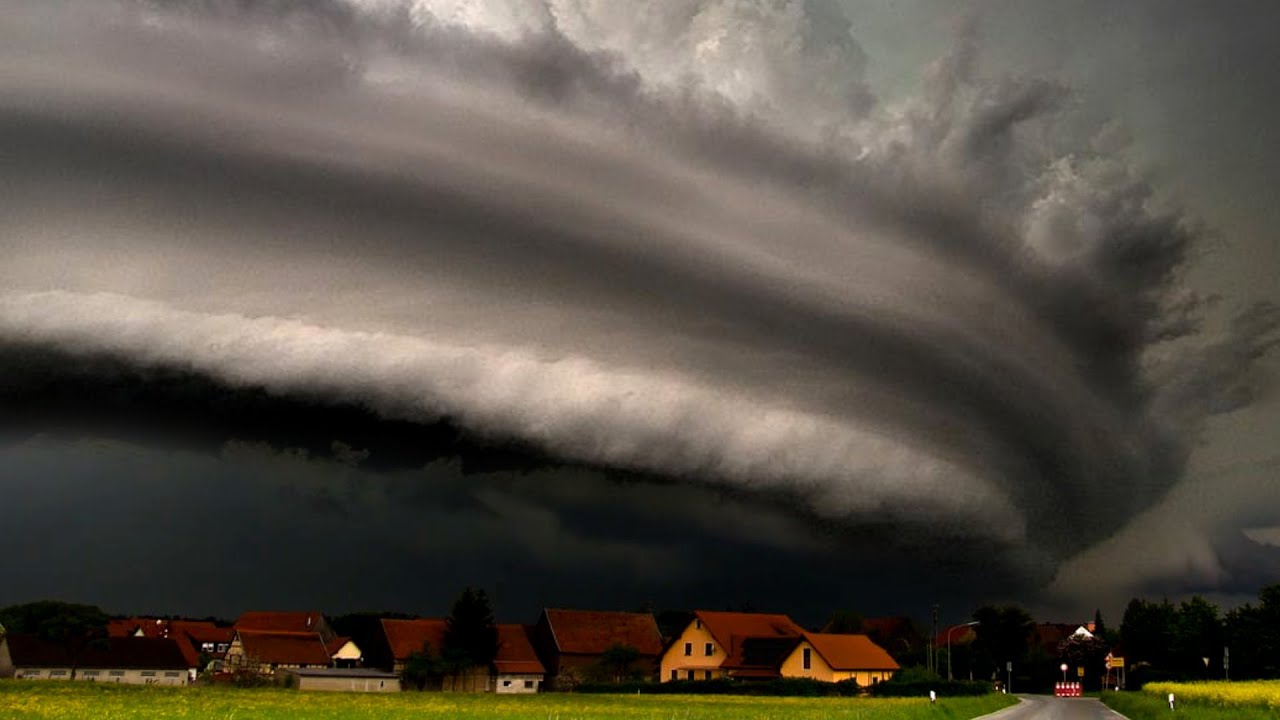
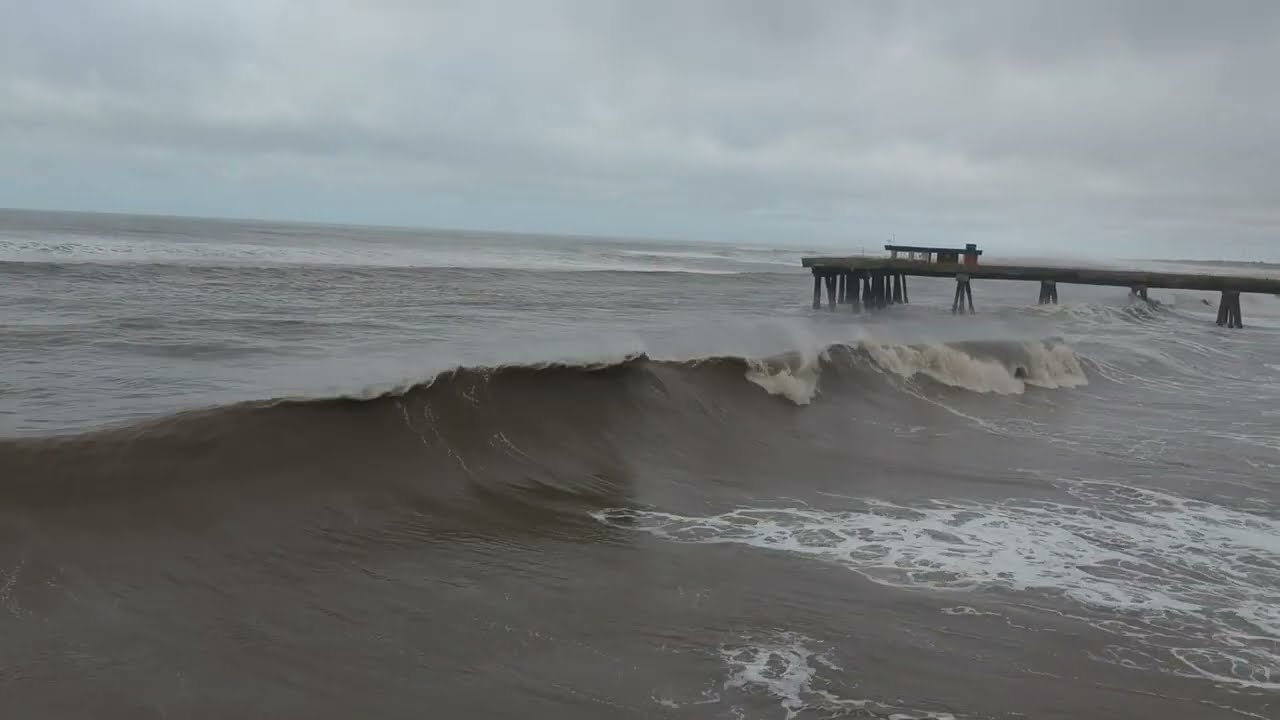
• June 5th conditions: Force 4-5 winds, 5-6 foot seas, cloud ceiling under 500 feet — the invasion would have been catastrophic
• Stagg's 36-hour window was real — and closed exactly when he predicted it would
• German meteorologist Karl-Adolf Leontes missed the window because the Luftwaffe had fewer North Atlantic observation stations
• Rommel was at home for his wife's birthday when the landings began
• Eisenhower wrote a letter accepting full personal responsibility for failure — before the landings succeeded
• On June 19th, the worst June Channel storm in 40 years destroyed the Mulberry harbor at Omaha Beach
📚 SOURCES:
• Stagg, J.M. — "Forecast for Overlord" (1971)
• Eisenhower, Dwight D. — "Crusade in Europe" (1948)
• Ambrose, Stephen E. — "D-Day: June 6, 1944" (1994)
• Astor, Gerald — "June 6, 1944: The Voices of D-Day" (1994)
• The National Archives (UK) — Meteorological Office Records, AIR 2/7923
• Eisenhower Presidential Library — Pre-Invasion Message, Box 168
• IWM — D-Day Planning Records
• Bundesarchiv — Army Group B War Diaries, June 1944
⚠️ DISCLAIMER:
This documentary uses AI-generated narration and imagery for educational
visualization. All facts based on documented historical sources.
Archival photographs in public domain or used under fair use for
educational commentary.
🔔 Subscribe for more hidden stories of World War 2 — the people history forgot to mention.
#WW2 #DDay #Normandy #Eisenhower #History #Documentary #MilitaryHistory #WWII #OperationOverlord #Stagg #Weather #June6 #Normandy1944 #WW2Documentary #HiddenHistory
Palavra-chave: meteorologia manica
































Comentários
@HiddenH-k6s · 13/03/2026
📌 The German meteorologist who missed D-Day wasn't incompetent — he simply had fewer North Atlantic weather stations than the British. The Battle of the Atlantic had cleared German ships from those waters. Stagg saw the window because he had more data. That's the entire difference. What WW2 story that nobody talks about should I cover next? 👇