Cold War Africa: The Hidden War Behind Independence. #nigeria #history #worldwarthree #africa #fyp
Descrição
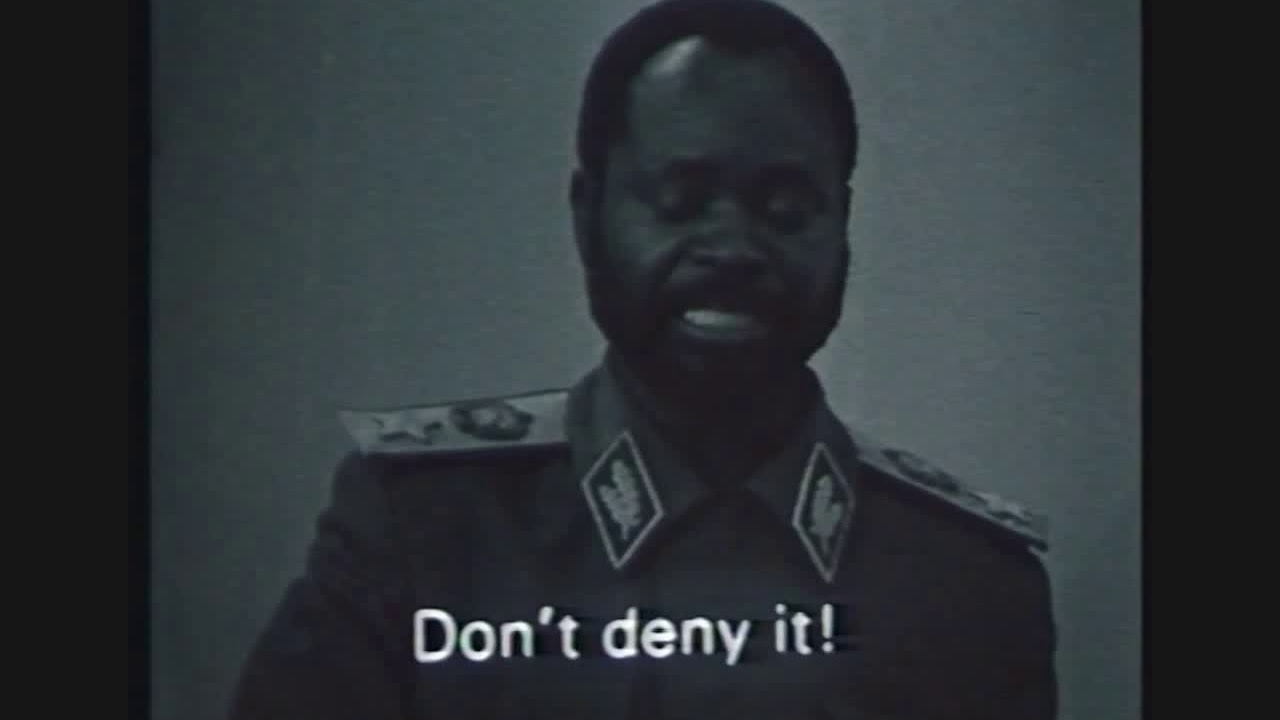
At the end of the Second World War, a new global struggle began between the superpowers, but exported into the fragile spaces left behind by collapsing empires. Africa, emerging from colonial rule, became one of its most intense battlegrounds. It came as an ideology, It was sold as democracy versus communism. But on the ground, it looked like something else entirely, a strategic form of greed wrapped in political language, with African lives paying the price.
The breaking point of old European dominance is often traced to the Suez Crisis of 1956. When Britain and France invaded Egypt to retake control of the Suez Canal after Gamal Abdel Nasser’s nationalisation,for which both Washington and Moscow condemned their actions. The invasion collapsed under international pressure, it was more than a military failure, Suez marked the symbolic end of European imperial authority. From that moment, there was an open vacuum, making the United States and Soviet Union move in. This was the beginning of what many describe as a second scramble for Africa. It wasn’t a race for land in the old colonial sense, but for influence, military access, minerals, and political alignment. As decolonisation accelerated through the 1960s, newly independent African states were immediately pulled into Cold War rivalries. Nationalist movements that had fought for liberation suddenly found themselves courted, armed, and manipulated.
The United States faced a deep contradiction. On one hand, it promoted democracy and self-determination. On the other, it increasingly aligned with authoritarian leaders who could guarantee stability and block Soviet expansion. France and Britain, still tied to NATO structures, also supplied weapons and counterinsurgency support in Africa and Asia sometimes using helicopters, small arms, and tactical systems originally developed for European defense. The result of this, was a moral paradox, the same Western bloc that condemned oppression often armed it when strategically convenient.
The Soviet Union positioned itself as the champion of anti-colonial liberation, supplying weapons, training, and political backing to movements in countries like, Angola, Mozambique, Ethiopia, and elsewhere. Cuba later joined this network, deploying tens of thousands of troops to Angola. But beneath the rhetoric, both powers were selecting clients. Which was obvious in the Congo Crisis. After independence in 1960, the appeal to the Soviet Union for assistance by Prime Minister Patrice Lumumba triggered an alarm in Washington. The country’s uranium and mineral wealth made it strategically critical. Intelligence operations, covert funding, and political interference followed. Lumumba was assassinated, and Joseph Mobutu, backed by West rose to power. His long rule became a model of the Cold War “strongman” anti-communist, strategically useful, and deeply authoritarian.
This pattern repeated across the continent. In Ethiopia, Mengistu Haile Mariam’s Marxist military regime received Soviet backing while carrying out brutal internal repression. In Uganda, Idi Amin’s rise reflected the same logic, military power supported by external powers as long as alignment held. These regimes were structural products of Cold War logic. By the 1970s and 1980s, proxy wars stretched across Angola, Mozambique, the Ogaden region, Southern Africa and others. The Angolan Civil War became a multinational battlefield involving the MPLA, UNITA, South African forces, Soviet advisors, and Cuban troops. Mozambique faced similar fragmentation. The Ogaden War between Ethiopia and Somalia saw sudden alliance shifts as Washington and Moscow swapped sides in response to strategic interests. Eventually what emerged in Africa was a continent shaped by militarised politics. Governments maintained not by institutions, but by armed forces, foreign aid, and external patronage. Development was often secondary to security. Dissent was frequently framed as ideological threat.
Late into the Cold War, the superpowers began to retreat. The Soviet Union’s war in Afghanistan, and its overextension in Africa became an economic strain, which forced disengagement. Agreements in the late 1980s led to withdrawals from Angola and reduced direct intervention. The United States remained influential but increasingly shifted toward indirect engagement through aid, security partnerships, and diplomatic leverage. Today, Africa is no longer divided by explicit Cold War ideology, but remains a space of strategic competition. Military partnerships, counterterrorism agreements, resource extraction deals, and security cooperation frameworks, all these continue to tie African states to external powers. From Western counterterrorism bases to Russian military contracts in the Sahel.
#nigeria #history #armedforces #africa #armedservices #historyshorts #military #facts #nigeriahistory #film
The breaking point of old European dominance is often traced to the Suez Crisis of 1956. When Britain and France invaded Egypt to retake control of the Suez Canal after Gamal Abdel Nasser’s nationalisation,for which both Washington and Moscow condemned their actions. The invasion collapsed under international pressure, it was more than a military failure, Suez marked the symbolic end of European imperial authority. From that moment, there was an open vacuum, making the United States and Soviet Union move in. This was the beginning of what many describe as a second scramble for Africa. It wasn’t a race for land in the old colonial sense, but for influence, military access, minerals, and political alignment. As decolonisation accelerated through the 1960s, newly independent African states were immediately pulled into Cold War rivalries. Nationalist movements that had fought for liberation suddenly found themselves courted, armed, and manipulated.
The United States faced a deep contradiction. On one hand, it promoted democracy and self-determination. On the other, it increasingly aligned with authoritarian leaders who could guarantee stability and block Soviet expansion. France and Britain, still tied to NATO structures, also supplied weapons and counterinsurgency support in Africa and Asia sometimes using helicopters, small arms, and tactical systems originally developed for European defense. The result of this, was a moral paradox, the same Western bloc that condemned oppression often armed it when strategically convenient.
The Soviet Union positioned itself as the champion of anti-colonial liberation, supplying weapons, training, and political backing to movements in countries like, Angola, Mozambique, Ethiopia, and elsewhere. Cuba later joined this network, deploying tens of thousands of troops to Angola. But beneath the rhetoric, both powers were selecting clients. Which was obvious in the Congo Crisis. After independence in 1960, the appeal to the Soviet Union for assistance by Prime Minister Patrice Lumumba triggered an alarm in Washington. The country’s uranium and mineral wealth made it strategically critical. Intelligence operations, covert funding, and political interference followed. Lumumba was assassinated, and Joseph Mobutu, backed by West rose to power. His long rule became a model of the Cold War “strongman” anti-communist, strategically useful, and deeply authoritarian.
This pattern repeated across the continent. In Ethiopia, Mengistu Haile Mariam’s Marxist military regime received Soviet backing while carrying out brutal internal repression. In Uganda, Idi Amin’s rise reflected the same logic, military power supported by external powers as long as alignment held. These regimes were structural products of Cold War logic. By the 1970s and 1980s, proxy wars stretched across Angola, Mozambique, the Ogaden region, Southern Africa and others. The Angolan Civil War became a multinational battlefield involving the MPLA, UNITA, South African forces, Soviet advisors, and Cuban troops. Mozambique faced similar fragmentation. The Ogaden War between Ethiopia and Somalia saw sudden alliance shifts as Washington and Moscow swapped sides in response to strategic interests. Eventually what emerged in Africa was a continent shaped by militarised politics. Governments maintained not by institutions, but by armed forces, foreign aid, and external patronage. Development was often secondary to security. Dissent was frequently framed as ideological threat.
Late into the Cold War, the superpowers began to retreat. The Soviet Union’s war in Afghanistan, and its overextension in Africa became an economic strain, which forced disengagement. Agreements in the late 1980s led to withdrawals from Angola and reduced direct intervention. The United States remained influential but increasingly shifted toward indirect engagement through aid, security partnerships, and diplomatic leverage. Today, Africa is no longer divided by explicit Cold War ideology, but remains a space of strategic competition. Military partnerships, counterterrorism agreements, resource extraction deals, and security cooperation frameworks, all these continue to tie African states to external powers. From Western counterterrorism bases to Russian military contracts in the Sahel.
#nigeria #history #armedforces #africa #armedservices #historyshorts #military #facts #nigeriahistory #film
Palavra-chave: história de moçambique colonização e independência






![OS DA MOZ CICLONE TROPICAL FREDDY feat [HALALL PRO] 2023](https://i.ytimg.com/vi/QWaCeNSbJd4/maxresdefault.jpg)