CEADIR Series: Prompting Economic and Livelihood Improvements Through Coastal Mangrove Restoration
Descrição
Details and takeaways:
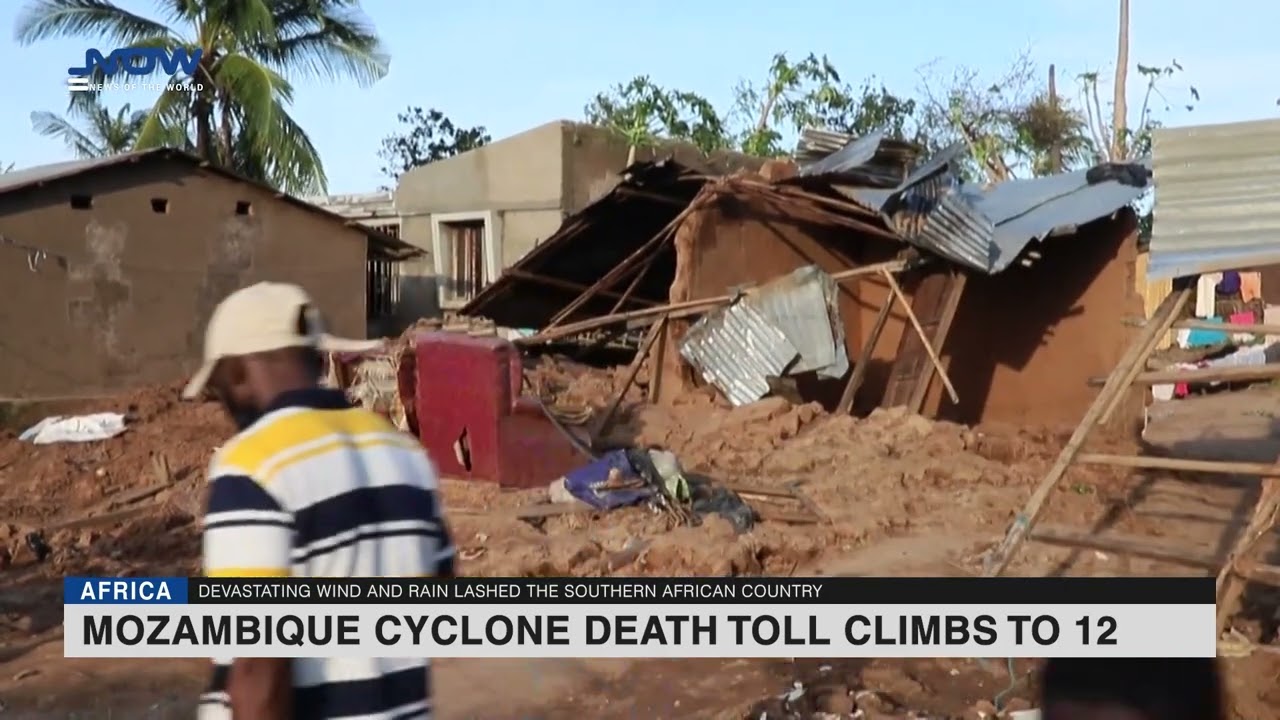
Mozambique is highly vulnerable to flooding due to frequent severe cyclones and the location of 60 percent of the population along the coast. Between 2013 and 2018, USAID/Mozambique’s Coastal City Adaptation Project (CCAP) worked to improve the resilience of five coastal cities to extreme weather. CCAP tested interventions such as mangrove restoration and aimed to help reduce flooding risks in two vulnerable low-income communities around Quelimane on the central coast.
USAID/Mozambique and the USAID/Washington Global Climate Change Office subsequently provided support to CEADIR for a cost-benefit analysis of scaling up mangrove restoration around Quelimane compared to an alternative resilience strategy of constructing an earthen dike.
On October 18, 2018, the CEADIR Discussion Series hosted a webinar on CEADIR’s economic analysis of mangrove restoration versus an earthen dike alternative. The analysis focused on reducing flood damage risks to informal sector housing as well as effects on fishing and aquaculture, beekeeping, polewood and fuelwood production, and carbon sequestration.
Speakers at this event included:
· Lindsay Foley (CEADIR) discussed the local context for the cost-benefit analysis and methods to value the benefits of mangroves.
· Dr. Tulika Narayan (CEADIR) walked participants through the data and findings of the cost-benefit analysis.
· Dr. Dan Evans (former USAID/Mozambique)—who worked with Lindsay, Tulika, and other members of the CEADIR team on the analysis—moderated the discussion.
Key Takeaways
This webinar provided an overview of CEADIR’s cost-benefit analysis to evaluate the potential economic impacts of restoring mangroves for coastal protection, compared with gray infrastructure alternatives, such as earthen dikes. In addition to presenting scenarios for Mozambique’s coastal city of Quelimane, the analysis produced a modifiable workbook for local governments or other groups exploring reforestation to examine potential short- and longer-term impacts of interventions.
The analysis made various assumptions, examining the potential effects of storms on each scenario over time. In addition to discussing the threats to mangrove seedlings and the earthen dike alternative, the team presented projections for financial benefits in fish and shellfish production, aquaculture, apiculture, and storm protection. They also incorporated benefits from carbon sequestration options. Not accounting for carbon stock benefits, the team found the highest positive impacts in fish production. In addition to a CBA report, the CEADIR team provided a record of all analyzed scenarios and their associated projected impacts in acost-benefit analysis workbook tool that can be adapted for different local contexts and assumptions.
Download the presentation: https://ceadirseries.adobeconnect.com/oct2018_presentation/
Report link: https://pdf.usaid.gov/pdf_docs/PA00MXMG.pdf
Workbook link: https://www.abtassociates.com/sites/default/files/files/Insights/Tools/706163c8-7af7-4510-a4ef-b5428dd05065.zip
Mozambique is highly vulnerable to flooding due to frequent severe cyclones and the location of 60 percent of the population along the coast. Between 2013 and 2018, USAID/Mozambique’s Coastal City Adaptation Project (CCAP) worked to improve the resilience of five coastal cities to extreme weather. CCAP tested interventions such as mangrove restoration and aimed to help reduce flooding risks in two vulnerable low-income communities around Quelimane on the central coast.
USAID/Mozambique and the USAID/Washington Global Climate Change Office subsequently provided support to CEADIR for a cost-benefit analysis of scaling up mangrove restoration around Quelimane compared to an alternative resilience strategy of constructing an earthen dike.
On October 18, 2018, the CEADIR Discussion Series hosted a webinar on CEADIR’s economic analysis of mangrove restoration versus an earthen dike alternative. The analysis focused on reducing flood damage risks to informal sector housing as well as effects on fishing and aquaculture, beekeeping, polewood and fuelwood production, and carbon sequestration.
Speakers at this event included:
· Lindsay Foley (CEADIR) discussed the local context for the cost-benefit analysis and methods to value the benefits of mangroves.
· Dr. Tulika Narayan (CEADIR) walked participants through the data and findings of the cost-benefit analysis.
· Dr. Dan Evans (former USAID/Mozambique)—who worked with Lindsay, Tulika, and other members of the CEADIR team on the analysis—moderated the discussion.
Key Takeaways
This webinar provided an overview of CEADIR’s cost-benefit analysis to evaluate the potential economic impacts of restoring mangroves for coastal protection, compared with gray infrastructure alternatives, such as earthen dikes. In addition to presenting scenarios for Mozambique’s coastal city of Quelimane, the analysis produced a modifiable workbook for local governments or other groups exploring reforestation to examine potential short- and longer-term impacts of interventions.
The analysis made various assumptions, examining the potential effects of storms on each scenario over time. In addition to discussing the threats to mangrove seedlings and the earthen dike alternative, the team presented projections for financial benefits in fish and shellfish production, aquaculture, apiculture, and storm protection. They also incorporated benefits from carbon sequestration options. Not accounting for carbon stock benefits, the team found the highest positive impacts in fish production. In addition to a CBA report, the CEADIR team provided a record of all analyzed scenarios and their associated projected impacts in acost-benefit analysis workbook tool that can be adapted for different local contexts and assumptions.
Download the presentation: https://ceadirseries.adobeconnect.com/oct2018_presentation/
Report link: https://pdf.usaid.gov/pdf_docs/PA00MXMG.pdf
Workbook link: https://www.abtassociates.com/sites/default/files/files/Insights/Tools/706163c8-7af7-4510-a4ef-b5428dd05065.zip
Palavra-chave: weather quelimane