A Country Is Disappearing Under Water — Why Is No One Talking About This?
Descrição
As of April 2, 2026, Mozambique is enduring one of the worst flood disasters in its history — and it's still getting worse. Nearly 900,000 people have been affected, 279 are dead, thousands of homes destroyed, and a cholera epidemic is surging through displaced communities. This documentary breaks down what's happening, why the world isn't paying attention, and what comes next.
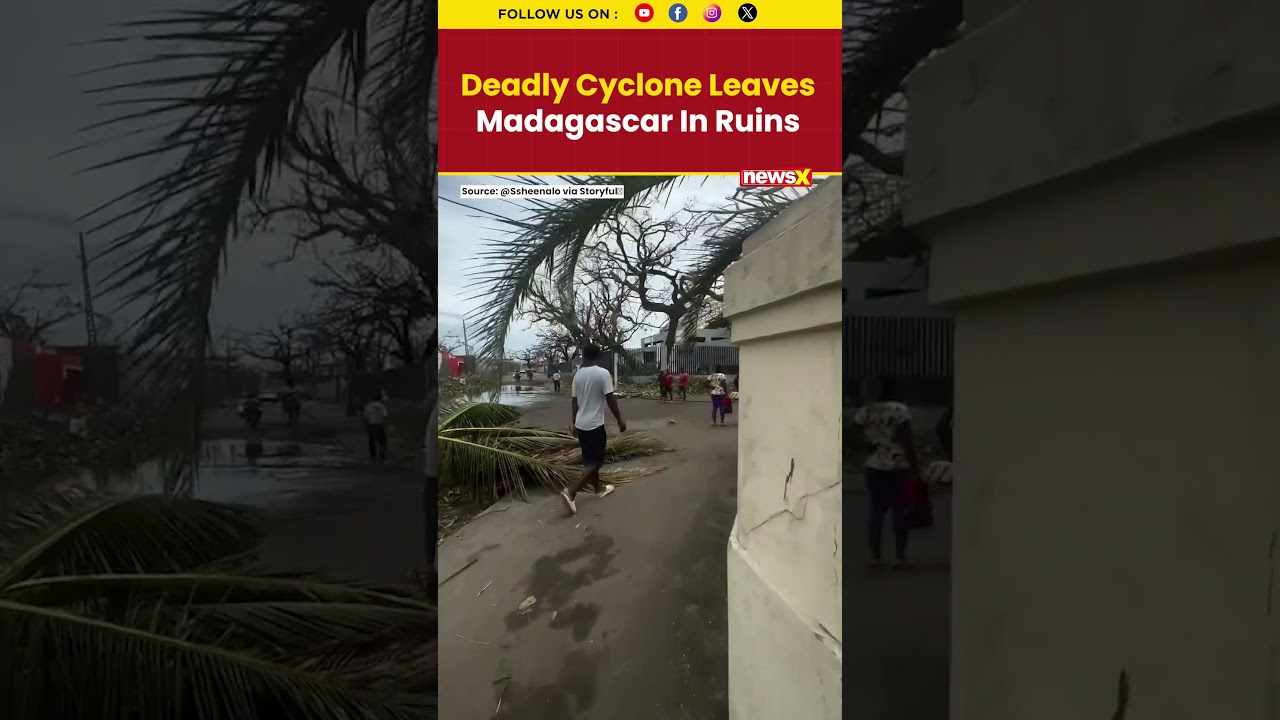
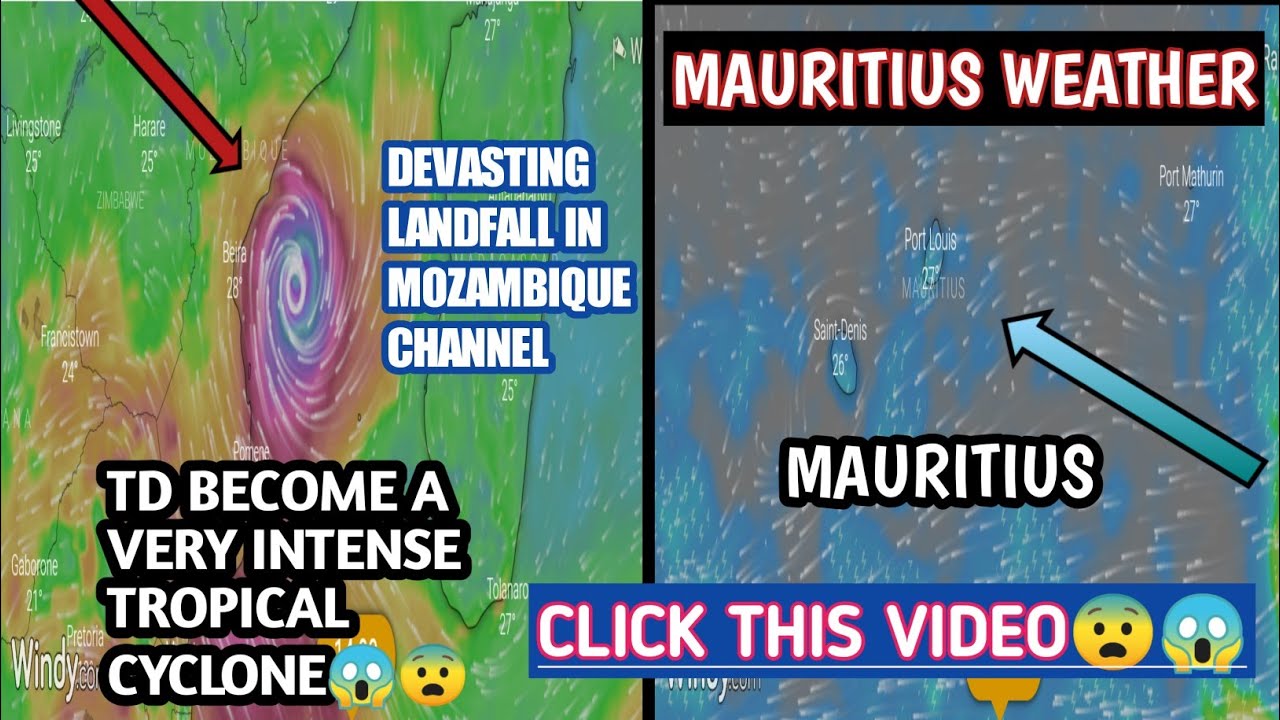
Since late December 2025, relentless rainfall and overflowing rivers have devastated Mozambique's southern and central provinces. Multiple waves of flooding — intensified by Cyclone Gezani in February and La Niña-driven rainfall patterns — have overwhelmed communities, destroyed critical infrastructure, and displaced hundreds of thousands into overcrowded shelters. With more heavy rainfall forecast and WHO projecting up to 22,000 additional cholera cases by August, this crisis is far from over.
This video covers the full timeline: from the initial December rains that swelled the Limpopo and Incomati rivers, through the government's declaration of a national red alert on January 16, to the catastrophic January floods that submerged Maputo, Xai-Xai, and Chokwe. We examine how seven river basins reached maximum alert simultaneously, why 90% of Mozambicans live in adobe homes that dissolve under sustained rainfall, and how 180,000 hectares of crops and 150,000 head of livestock were lost — threatening a food security catastrophe.
We also investigate the escalating cholera crisis: over 7,800 cases and rising, a seven-fold increase over the previous year across Southern Africa, and why the WHO is calling March through August a critical danger period. The humanitarian response — a $187 million UN appeal — remains severely underfunded as resources are stretched thin.
Sources include the United Nations Office for the Coordination of Humanitarian Affairs (OCHA), UNICEF, UNHCR, the World Health Organization (WHO), Mozambique's National Institute for Disaster Risk Management (INGD), the International Federation of Red Cross and Red Crescent Societies (IFRC), NASA Earth Observatory, Copernicus Global Flood Awareness System (GloFAS), the Global Disaster Alerting Coordination System (GDACS), ACAPS, The Watchers, Al Jazeera, Nature Africa, and ReliefWeb.
#MozambiqueFloods #MozambiqueFloods2026 #Mozambique #FloodDisaster #ClimateChange #NaturalDisaster #HumanitarianCrisis #CholeraCrisis #Floods2026 #AfricaFloods #ClimateEmergency #FloodsToday
DISCLAIMER: This video reports on a developing and evolving humanitarian situation. All information presented is accurate as of April 2, 2026, the date of production. Viewers are strongly encouraged to check official sources — including OCHA, WHO, INGD, and UNHCR — for the most current updates, as this crisis is changing rapidly. This channel reports verified information from authoritative sources and clearly distinguishes between confirmed facts and developing reports. Some footage, satellite imagery, maps, and visual elements used in this video may be illustrative, archival, or simulation-based, used strictly for educational and informational purposes. This content is intended for informational and educational purposes only and does not constitute professional emergency, scientific, medical, or policy advice. Viewers in affected areas or planning travel to affected regions should follow local emergency guidance and official government directives. If you or someone you know is affected by this disaster, please contact local emergency services or humanitarian organisations for assistance.
Since late December 2025, relentless rainfall and overflowing rivers have devastated Mozambique's southern and central provinces. Multiple waves of flooding — intensified by Cyclone Gezani in February and La Niña-driven rainfall patterns — have overwhelmed communities, destroyed critical infrastructure, and displaced hundreds of thousands into overcrowded shelters. With more heavy rainfall forecast and WHO projecting up to 22,000 additional cholera cases by August, this crisis is far from over.
This video covers the full timeline: from the initial December rains that swelled the Limpopo and Incomati rivers, through the government's declaration of a national red alert on January 16, to the catastrophic January floods that submerged Maputo, Xai-Xai, and Chokwe. We examine how seven river basins reached maximum alert simultaneously, why 90% of Mozambicans live in adobe homes that dissolve under sustained rainfall, and how 180,000 hectares of crops and 150,000 head of livestock were lost — threatening a food security catastrophe.
We also investigate the escalating cholera crisis: over 7,800 cases and rising, a seven-fold increase over the previous year across Southern Africa, and why the WHO is calling March through August a critical danger period. The humanitarian response — a $187 million UN appeal — remains severely underfunded as resources are stretched thin.
Sources include the United Nations Office for the Coordination of Humanitarian Affairs (OCHA), UNICEF, UNHCR, the World Health Organization (WHO), Mozambique's National Institute for Disaster Risk Management (INGD), the International Federation of Red Cross and Red Crescent Societies (IFRC), NASA Earth Observatory, Copernicus Global Flood Awareness System (GloFAS), the Global Disaster Alerting Coordination System (GDACS), ACAPS, The Watchers, Al Jazeera, Nature Africa, and ReliefWeb.
#MozambiqueFloods #MozambiqueFloods2026 #Mozambique #FloodDisaster #ClimateChange #NaturalDisaster #HumanitarianCrisis #CholeraCrisis #Floods2026 #AfricaFloods #ClimateEmergency #FloodsToday
DISCLAIMER: This video reports on a developing and evolving humanitarian situation. All information presented is accurate as of April 2, 2026, the date of production. Viewers are strongly encouraged to check official sources — including OCHA, WHO, INGD, and UNHCR — for the most current updates, as this crisis is changing rapidly. This channel reports verified information from authoritative sources and clearly distinguishes between confirmed facts and developing reports. Some footage, satellite imagery, maps, and visual elements used in this video may be illustrative, archival, or simulation-based, used strictly for educational and informational purposes. This content is intended for informational and educational purposes only and does not constitute professional emergency, scientific, medical, or policy advice. Viewers in affected areas or planning travel to affected regions should follow local emergency guidance and official government directives. If you or someone you know is affected by this disaster, please contact local emergency services or humanitarian organisations for assistance.
Palavra-chave: ciclone gezani moçambique